Little
Kent State University
Campus Housing Facilities Plan
Kent, Ohio
Project Type
Higher Education
Size
Campus-Wide
Design Services
Planning
Shaping the Future of Student Living at Kent State Strategic housing and dining solutions aligned with evolving student needs and institutional priorities.
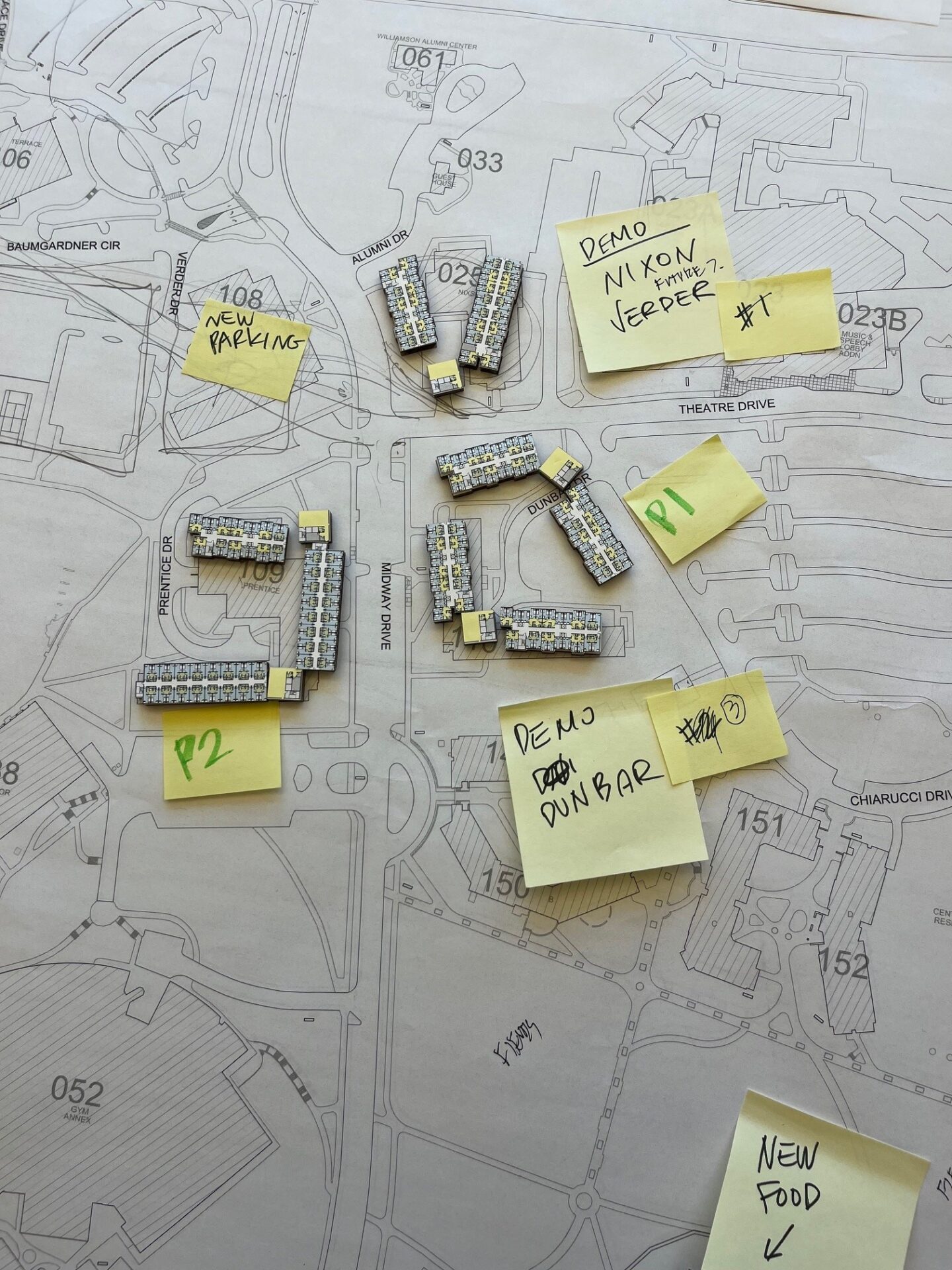
Kent State University engaged our team to evaluate and enhance its on-campus housing and culinary services to support recruitment, retention, and student success. Through workshops with leadership, focus groups with students, and a robust data analysis process, we identified opportunities to diversify housing options, align inventory with student preferences, and strengthen the dining experience. Our work culminated in two strategic implementation scenarios that align Kent State’s physical assets with its vision of becoming a student-ready university.
Project Goals
At the outset of the student housing master plan, the client sought to establish a clear vision for enhancing the on-campus residential experience. Their goals included strengthening student recruitment and retention, supporting student success and well-being, and addressing the diverse and evolving needs of the student population through inclusive, accessible, and varied housing options. The client also aimed to identify financially sustainable, scalable strategies that would guide long-term development while maximizing value and impact.
- 01 Enhance Student Recruitment and Retention by improving the attractiveness of on-campus housing and dining options.
- 02 Support Student Success and Engagement through environments that foster community, academic performance, and well-being.
- 03 Advance inclusive, accessible design while diversifying housing options to meet the evolving needs, preferences, and privacy expectations of a diverse student population.
- 04 Ensure Financial Sustainability through scalable, cost-effective development strategies.
Results
The master plan delivered a clear, data-driven strategy to address both immediate needs and long-term growth.
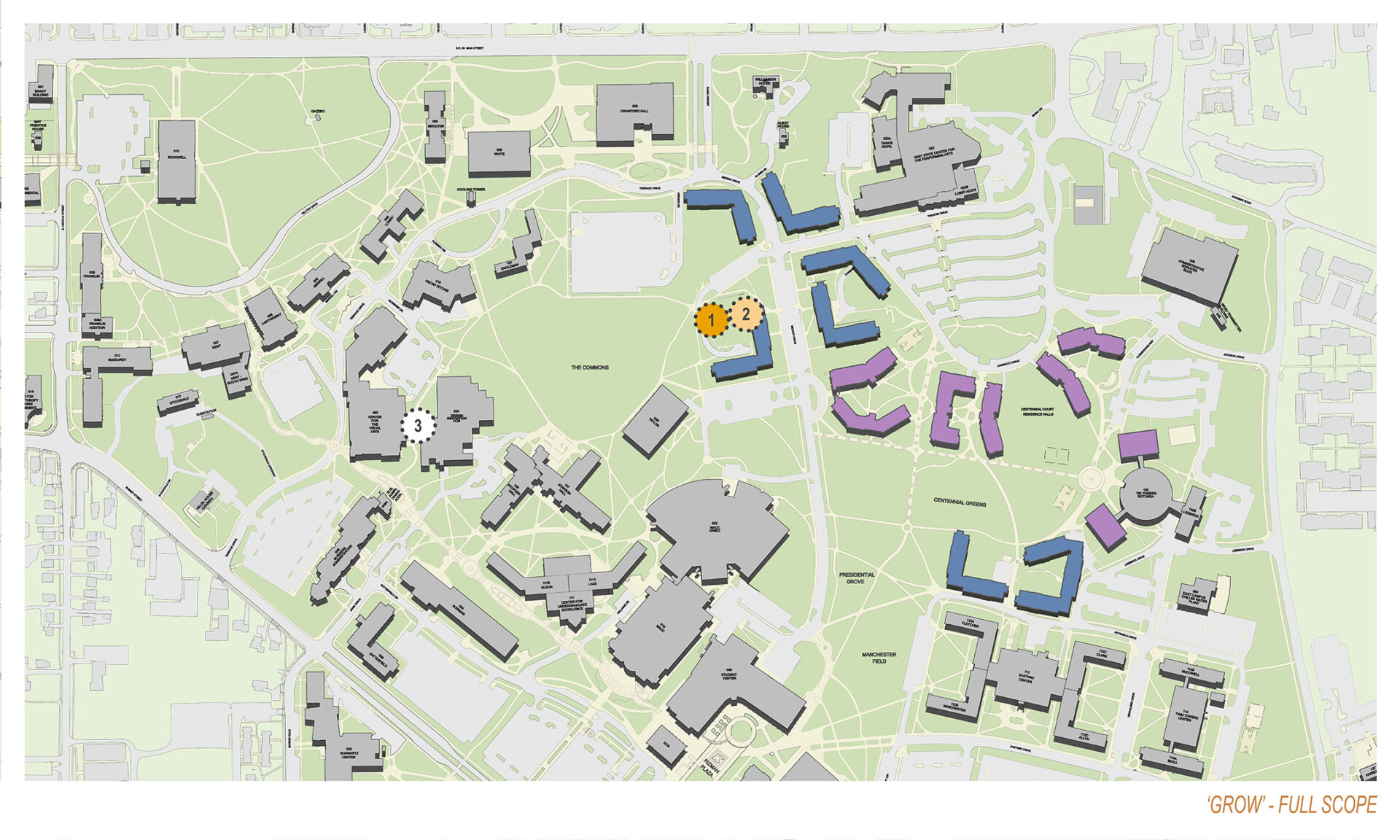
It established two strategic pathways—Maintain, focused on modernization, accessibility, and a 143-bed increase, and Grow, which expanded capacity by 663 beds while significantly enhancing housing diversity. Informed by identified unmet demand of approximately 500 beds, the plan recommended targeted unit mix changes and a phased implementation approach that prioritized new residence halls, improved ADA compliance, and reduced crowding. Complementary dining strategies addressed capacity constraints, late-night access, and food quality, positioning Kent State to remain competitive with peer institutions through cost-conscious, enrollment-aligned planning.