Little
Summit School
Campus Master Plan
Winston-Salem, North Carolina
Project Type
K-12 Schools
Size
Campus Master Plan
Design Services
Planning
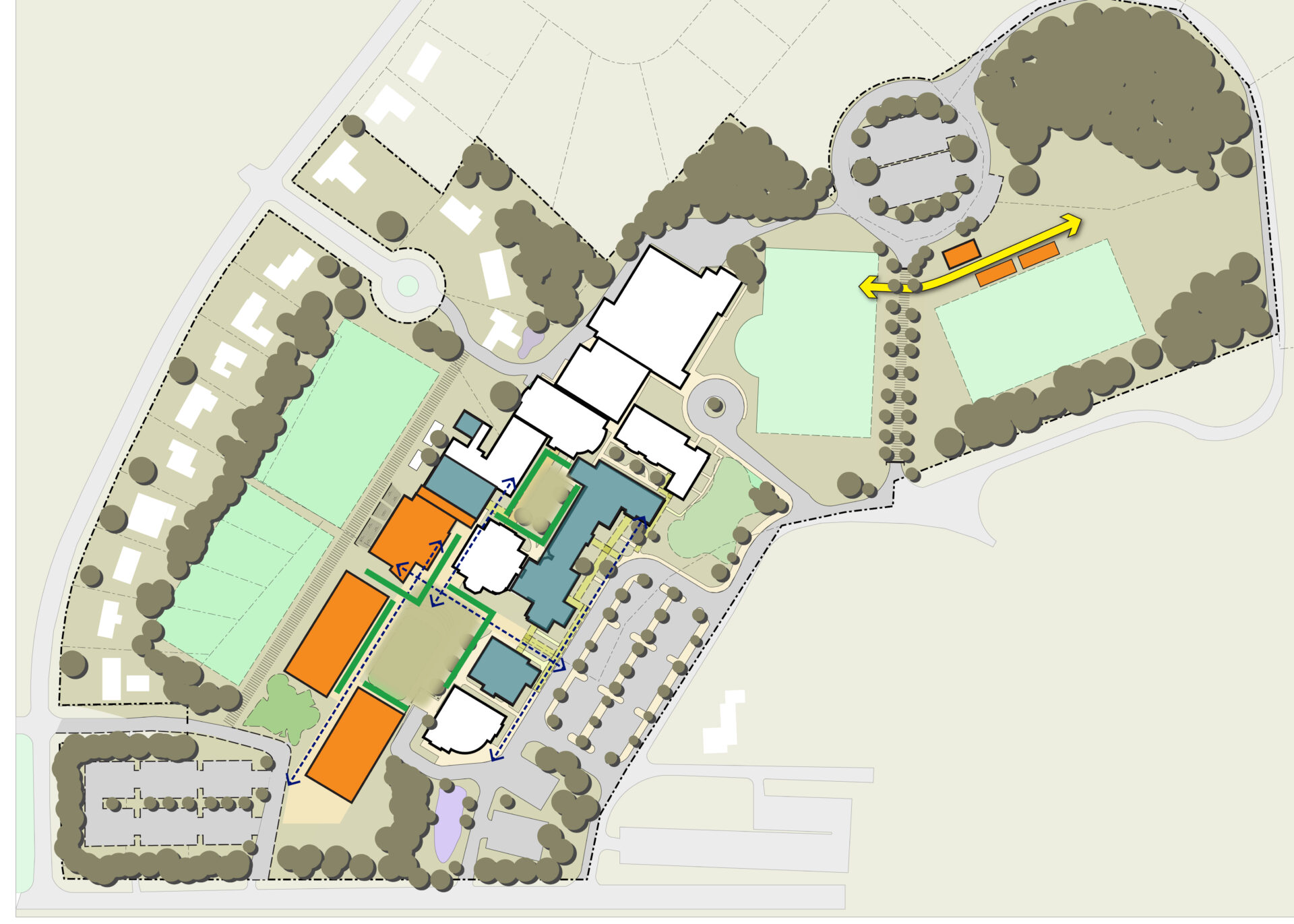
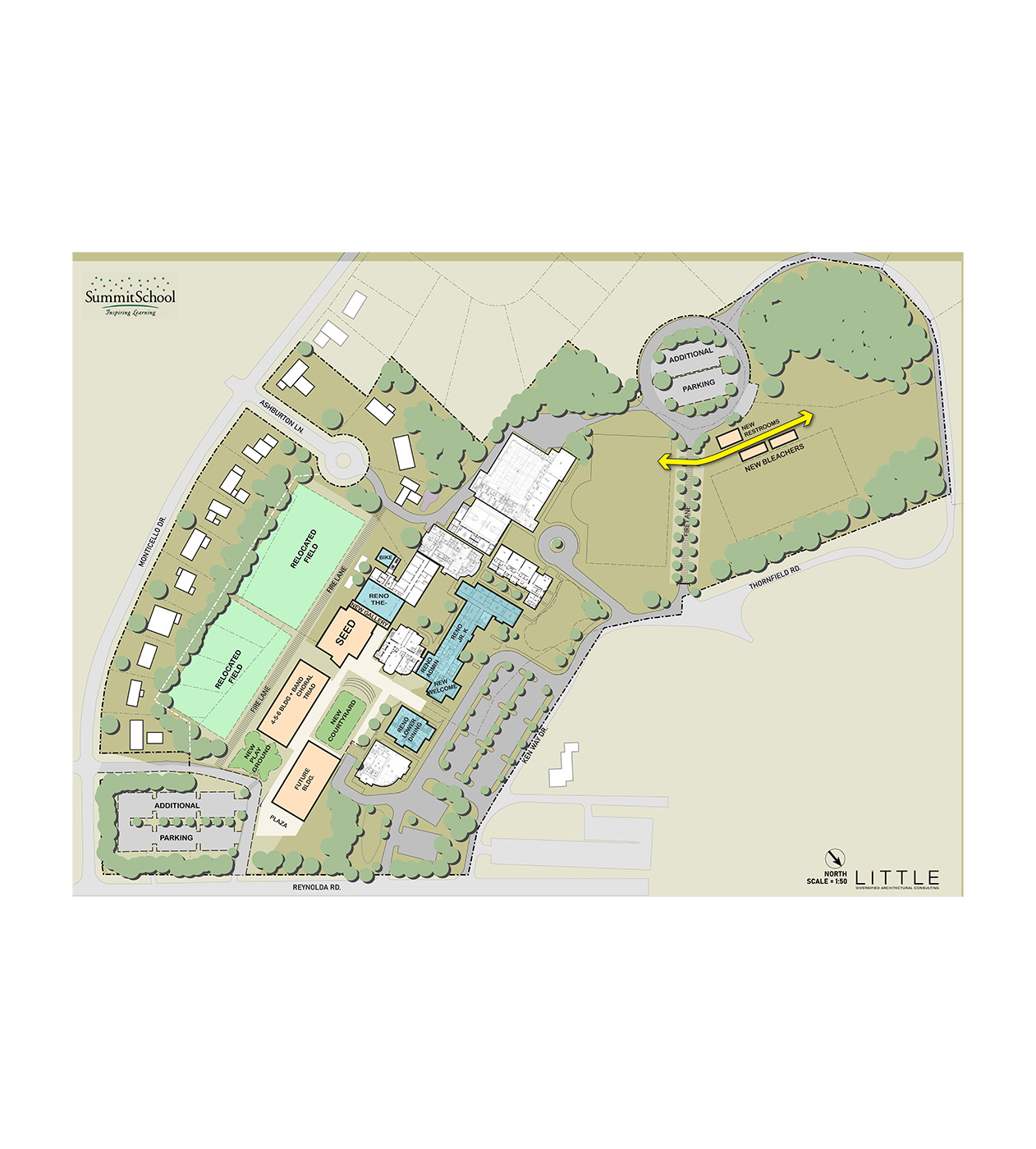
Summit School partnered with Little to develop a forward-thinking Campus Master Plan designed to guide the evolution of its 80-year-old campus over the coming decade. Rooted in the school’s recently adopted Strategic Plan, the Master Plan addresses key opportunities and challenges across the PreK–9 campus—from upgrading aging infrastructure to enhancing learning environments and outdoor spaces that define the school’s unique character.
With a commitment to inclusivity and mission-alignment, the planning process was grounded in extensive engagement with faculty, staff, school leadership, and the broader Summit community. The Master Plan thoughtfully preserves the most cherished attributes of the campus—such as intimate courtyards and daylight-filled classrooms—while proposing new interventions that support 21st-century learning and community connection.
A central component of the plan is the identification of priority projects that align with institutional goals and facility needs. Among these is the SEED Center, a new academic facility that embraces regenerative design and indoor-outdoor learning, while serving as a living laboratory for science and technology education. Ultimately, the plan lays out a strategic, phased vision that balances preservation with innovation and ensures the campus evolves in a way that remains true to Summit’s mission and values.
Project Goals
The primary goal of this Campus Master Plan was to provide an actionable, mission-driven roadmap to guide Summit School’s physical growth and modernization over the next 5 to 10 years. The plan is grounded in the school’s Strategic Plan and is driven by three key imperatives.
Sustainability and community well-being emerged as central guiding principles, with a focus on regenerative design, improved indoor-outdoor connectivity, and student wellness. The Master Plan also explores ways to enhance circulation, campus identity, and safety—all while maintaining the intimate scale that supports Summit’s learner-focused ethos.
- 01 Support Evolving Educational Delivery
Enhance classroom and specialty learning environments through modernized, flexible, and technology-integrated spaces that inspire curiosity and creativity. - 02 Preserve and Elevate Campus Character
Retain the campus’s distinctive layout of closely spaced buildings and courtyards while addressing aging facilities through selective replacement and sensitive renovation. - 03 Plan for Financial and Operational Feasibility
Align physical improvements with upcoming capital campaign opportunities, validate budgeting assumptions, and prioritize investments that maximize impact and long-term value.
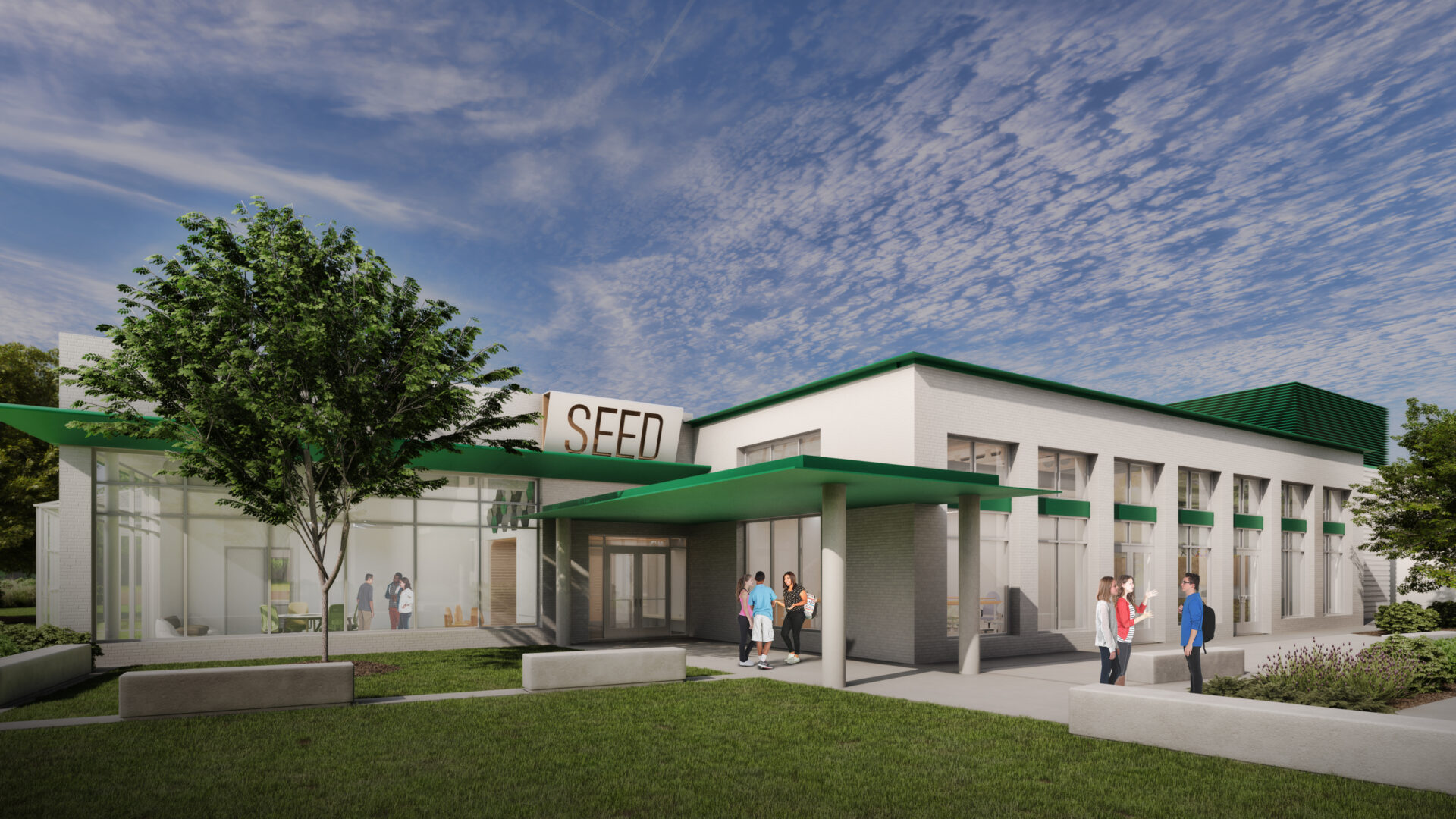
The resulting Campus Master Plan offers a clear, responsive, and visionary framework to guide Summit School’s campus transformation.
It outlines short- and long-term improvements across academic, administrative, and outdoor spaces and provides implementation strategies that align with the school’s priorities, resources, and culture.
By celebrating the legacy of its historic campus and investing in forward-looking improvements like the SEED Center, Summit School is poised to provide a truly future-ready learning environment—one that supports student exploration, faculty excellence, and a strong sense of community for years to come.