Little
Huantai Innovation Valley
Zibo's Innovation District
Zibo, Shandong Province, China
Project Type
Master Planning, Mixed-use
Size
5.8 million square feet
Design Services
Architecture, Site Design
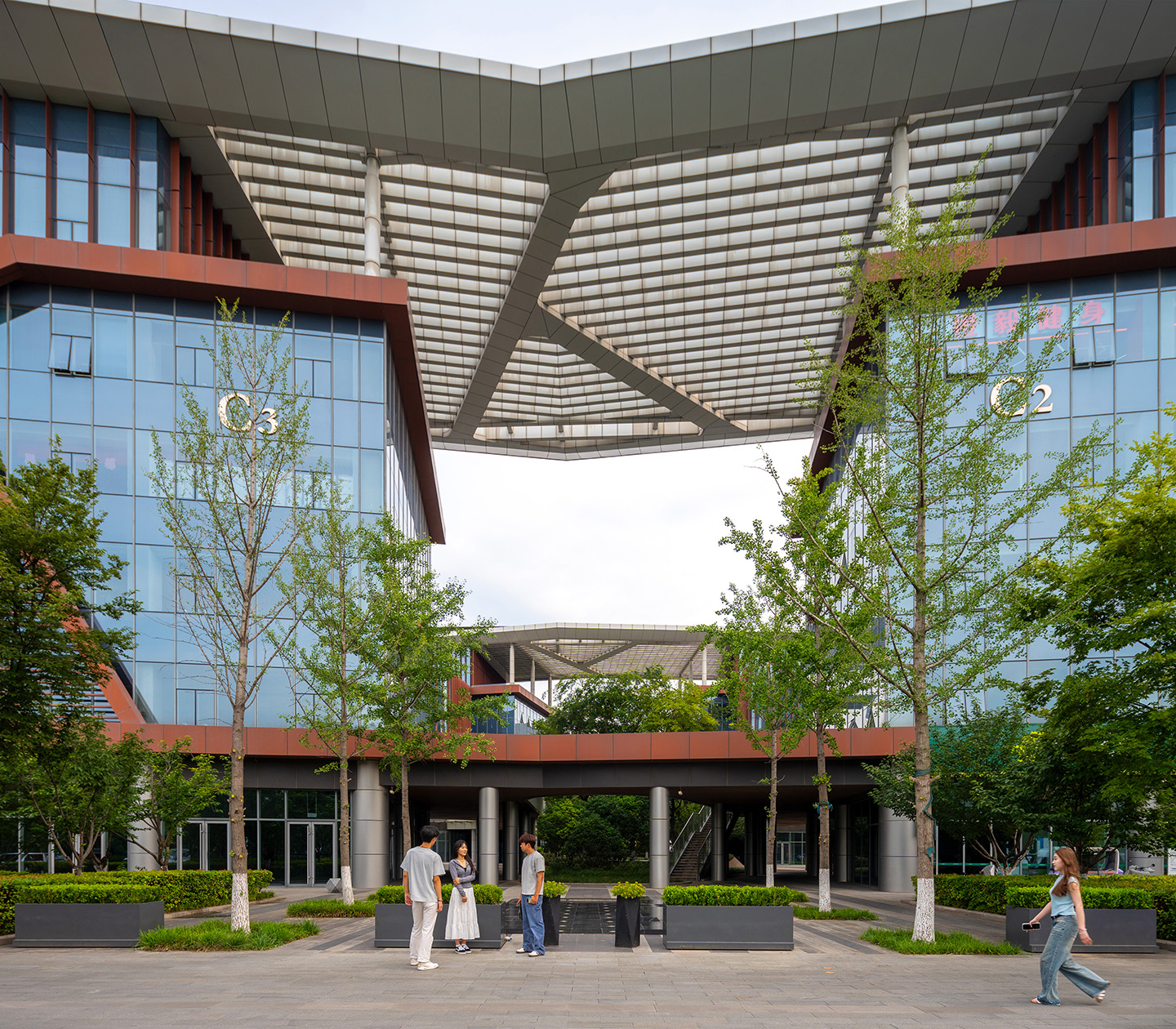
In Zibo, Huantai Innovation Valley is a district built to develop the next wave of high-tech entrepreneurial companies in China and attract foreign companies with similar missions.
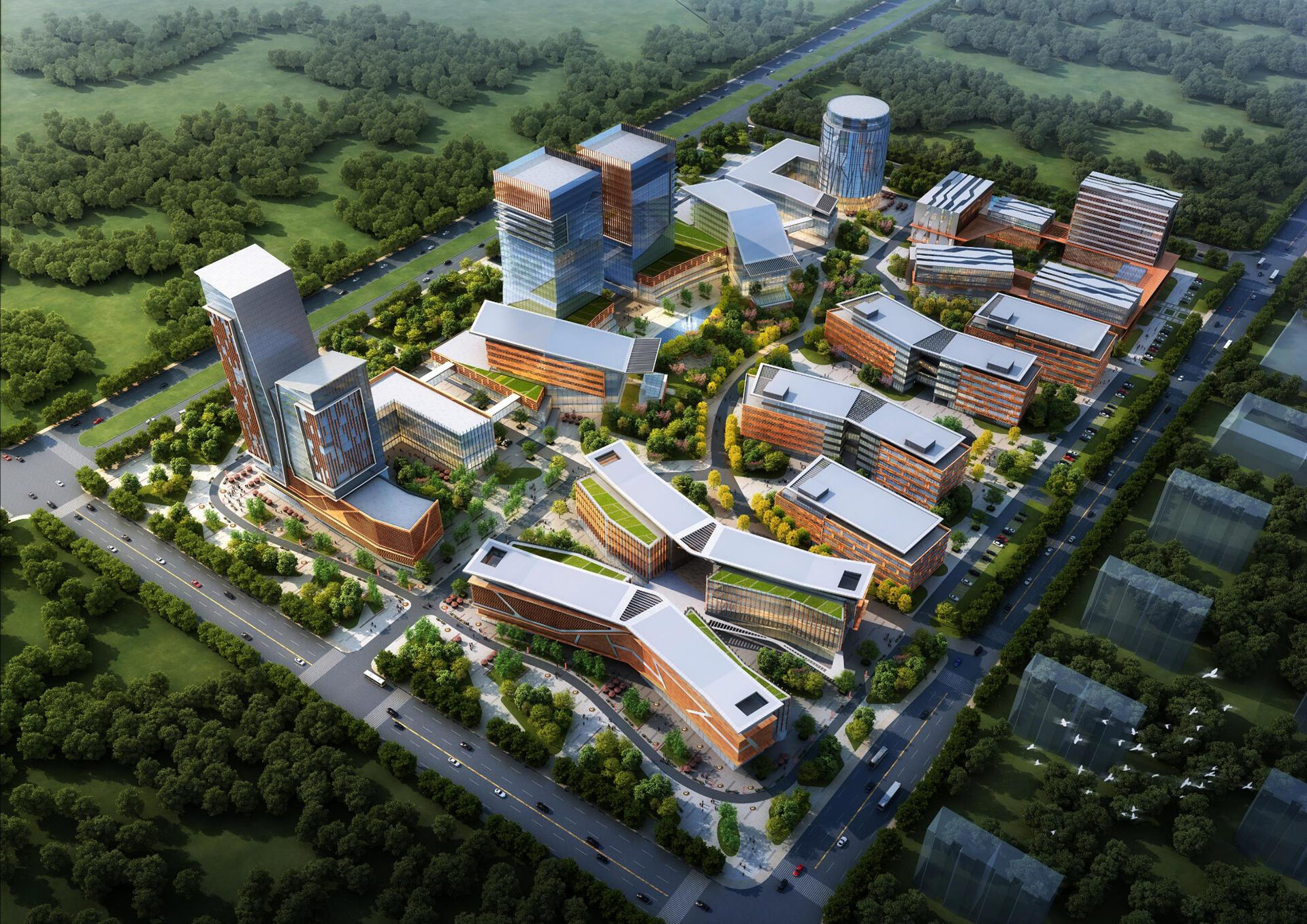
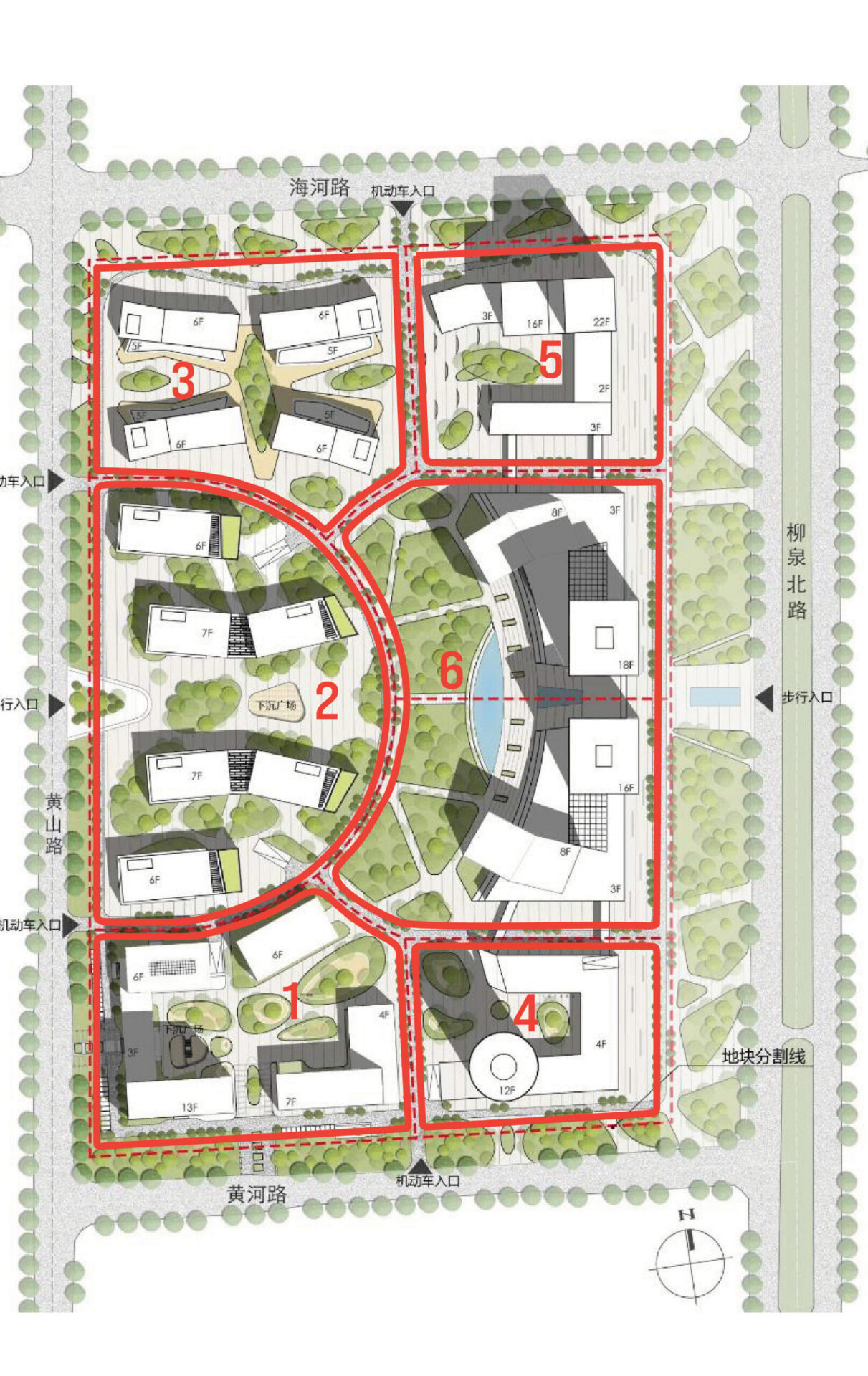
Planned across six phases, the 5.8 million-square-foot district brings offices, corporate headquarters, research labs, retail, a hotel, a conference center, a shopping mall, a park, and high-end residences together on one connected campus. Little partnered with Huantai to master plan all phases and execute Phases 2, 3, and 4, creating a district where nature and technology are intertwined.
Project Goals
Huantai set out to build a district where nature, technology, and everyday life come together.
Growing tech hubs can easily feel sterile: all glass, steel, and traffic. Huantai wanted something different, a campus that feels efficient but also alive. That meant making the landscape as important as the architecture, creating a sense of place that could rival the character of a great university campus, and designing spaces for people to live, work, and spend time throughout the day. With the district built over six phases, each new phase also had to feel like it belonged with the ones before it, so the campus grows as one place instead of a series of add-ons. Research labs, a hotel, and homes all become part of that connected district.
Objectives
- Weave nature and technology together so every phase feels like part of one ecosystem, not a set of isolated buildings
- Give the district a distinct, welcoming identity that feels high-tech but never cold
- Combine a wide mix of uses into one connected, easy-to-navigate community
Solutions
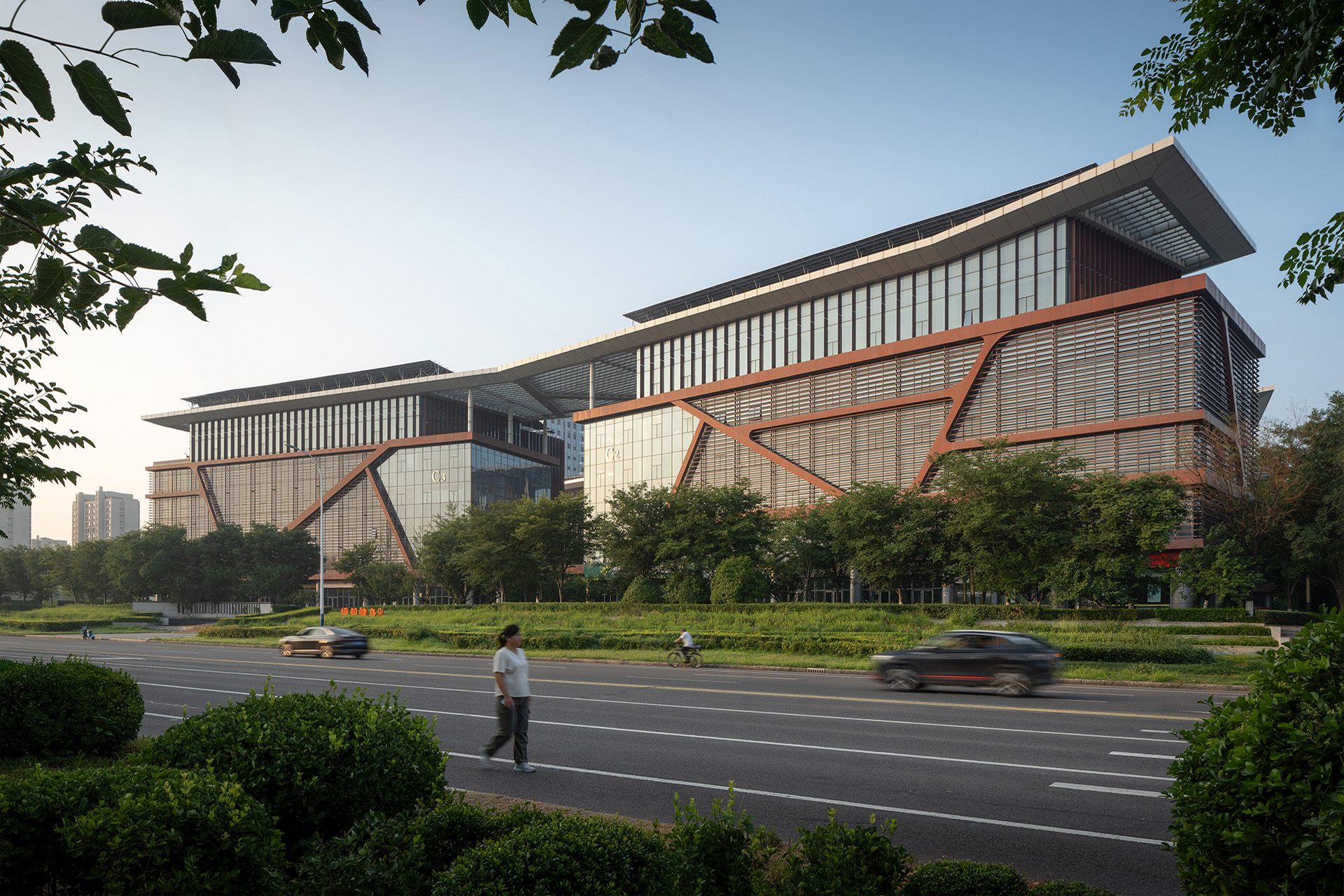
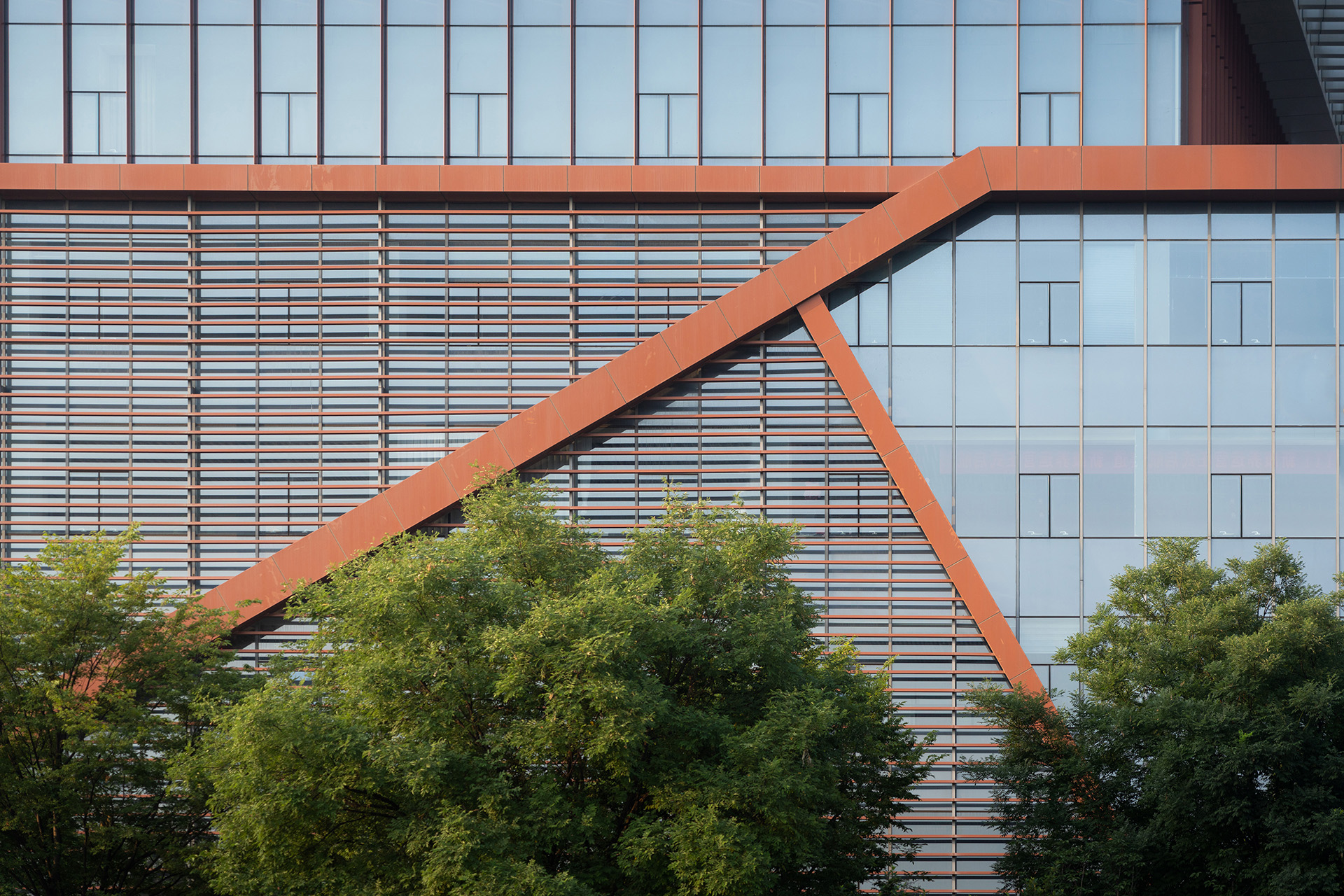
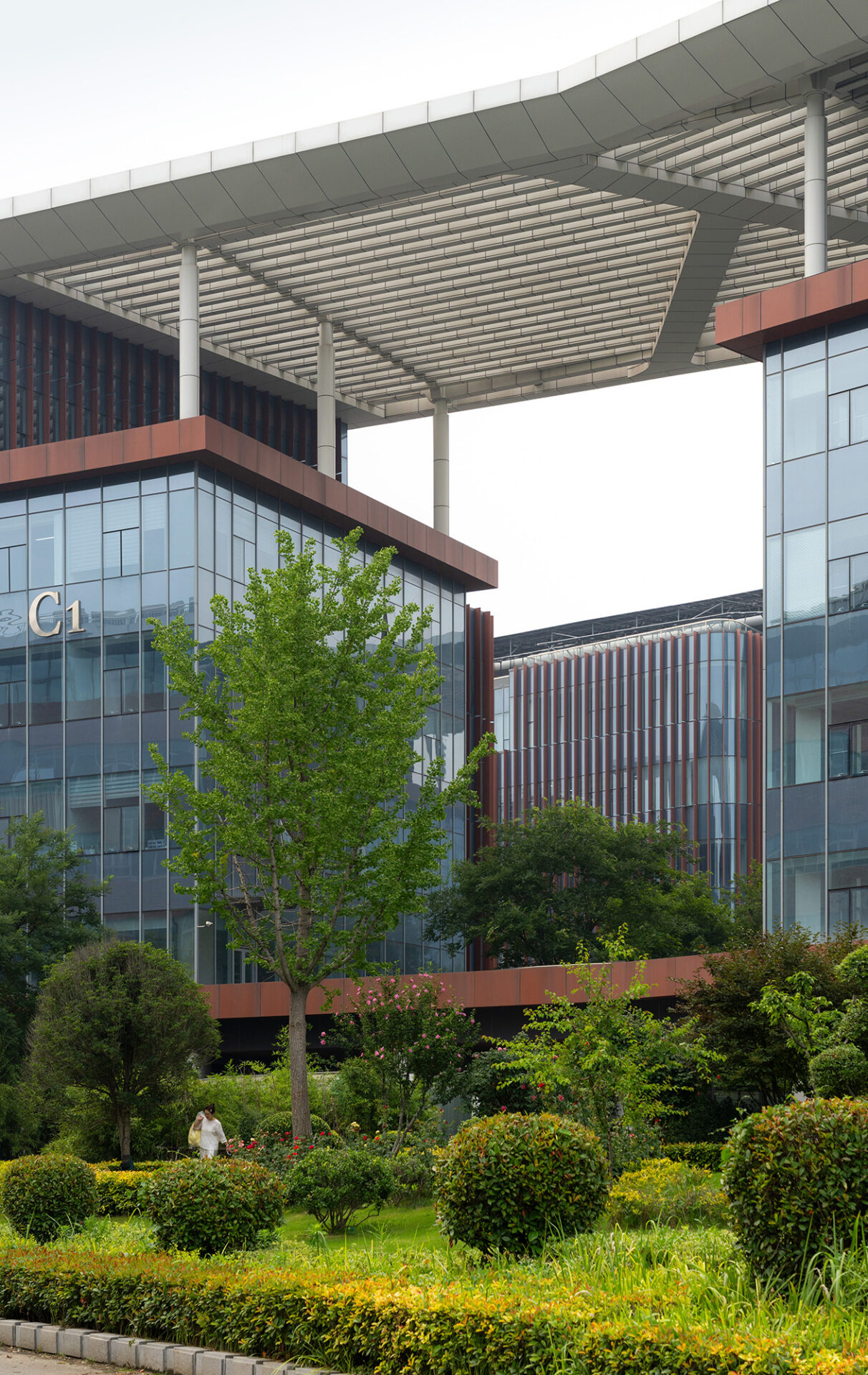
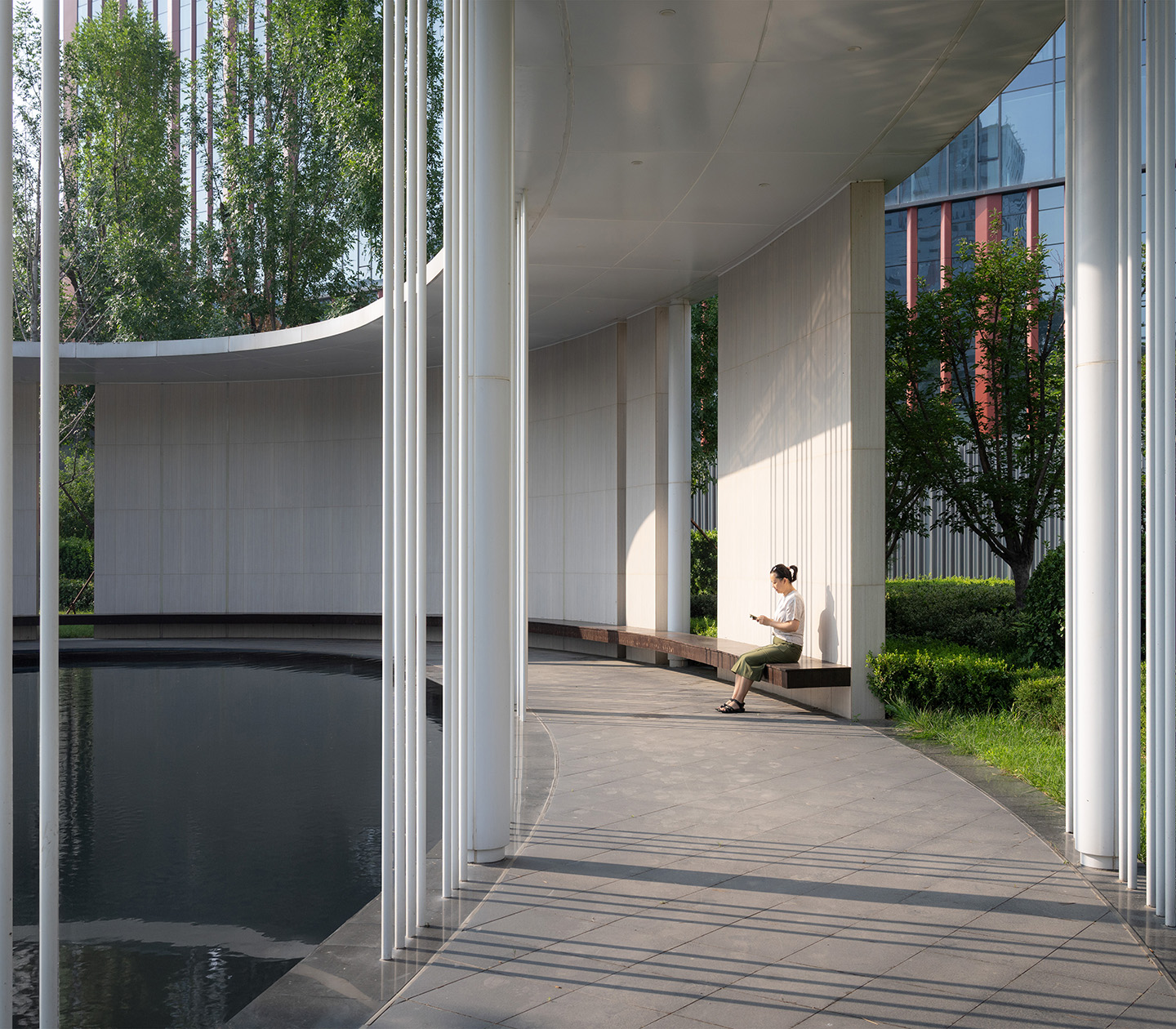
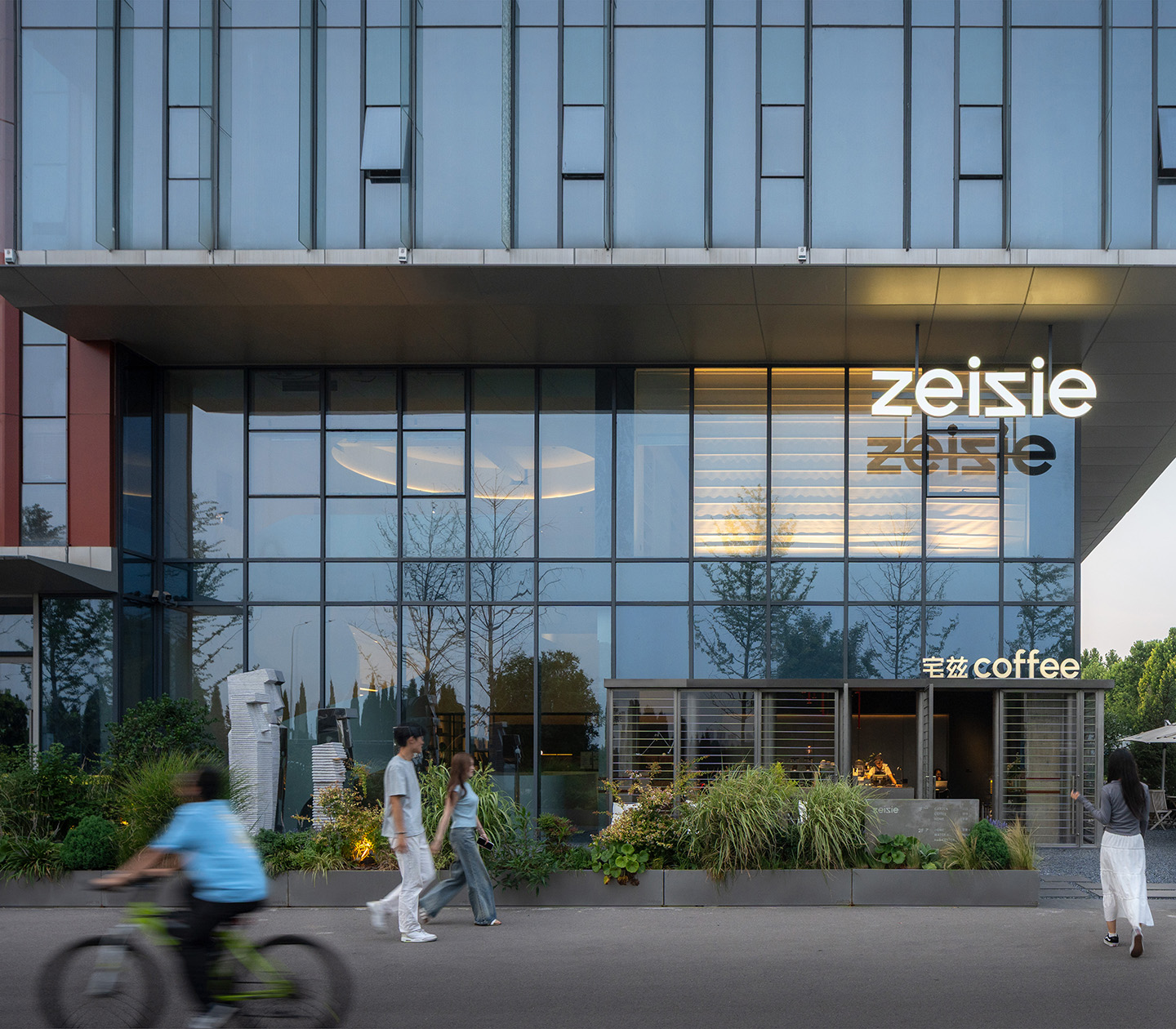
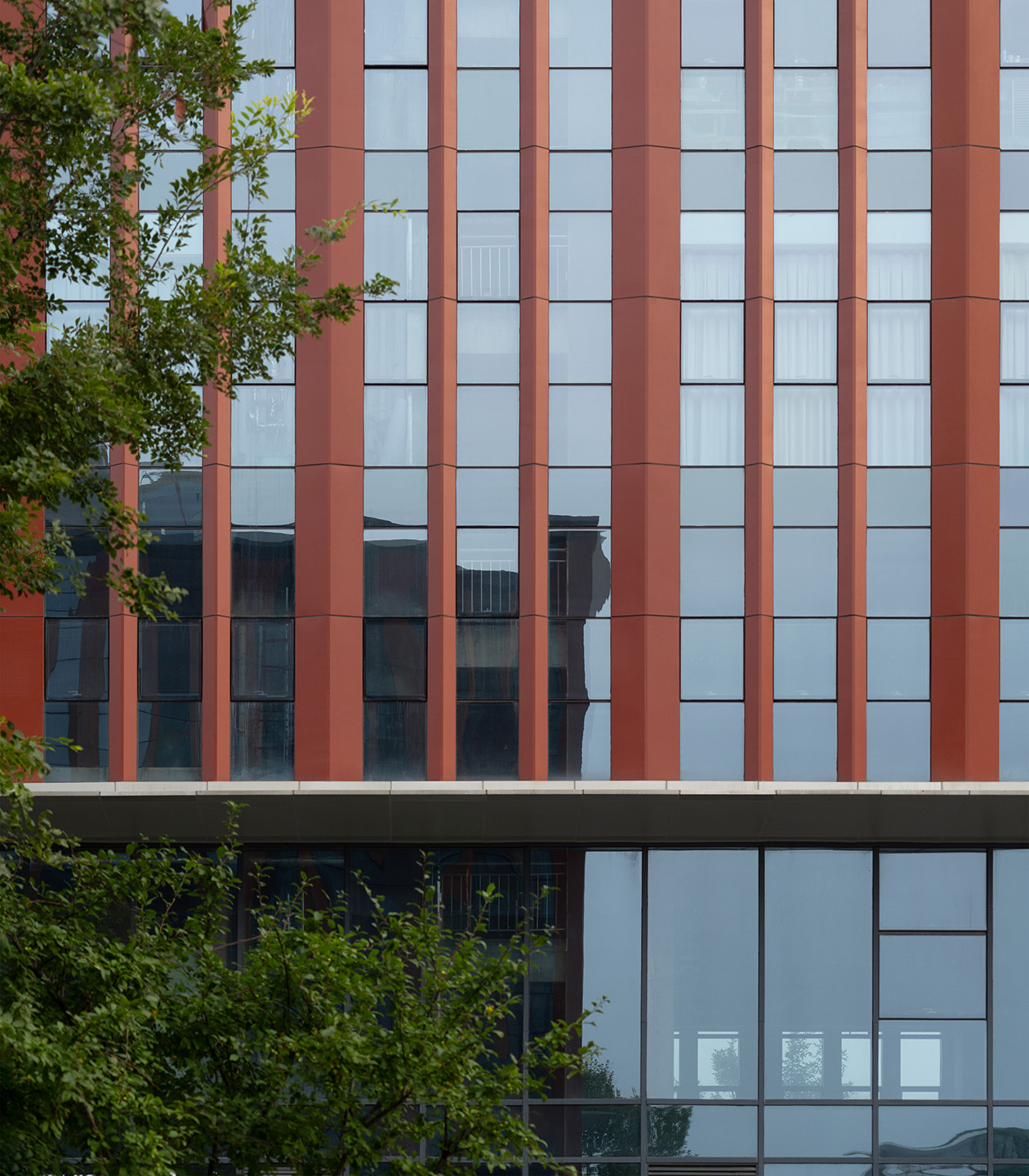
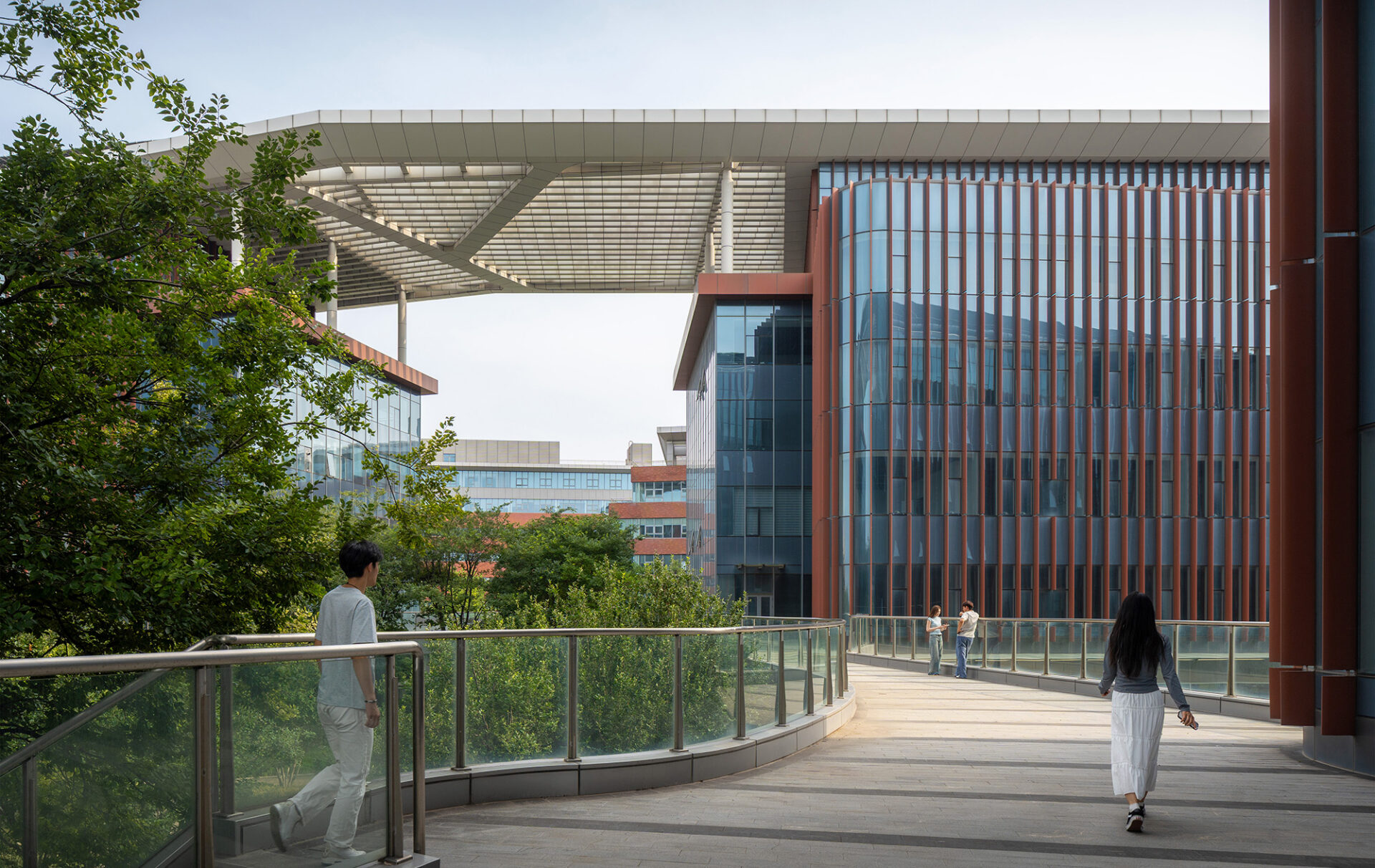
We designed the buildings and landscape as one connected system, taking our cue from a circuit board where every line and connection has a purpose. Buildings line the edges of the site, opening up a shared green space at the center. Designed to feel like an untamed forest, this central space gives people across the campus a place to gather and unwind. As buildings move toward the forest, their walls shift from solid to glass, creating the feeling of stepping into a treehouse. Terracotta accents tie the new buildings to earlier phases, helping the entire district read as one cohesive place rather than six separate projects.
A CONNECTION TO EARLIER PHASES
Two central towers tie the new architecture back to the buildings that came before
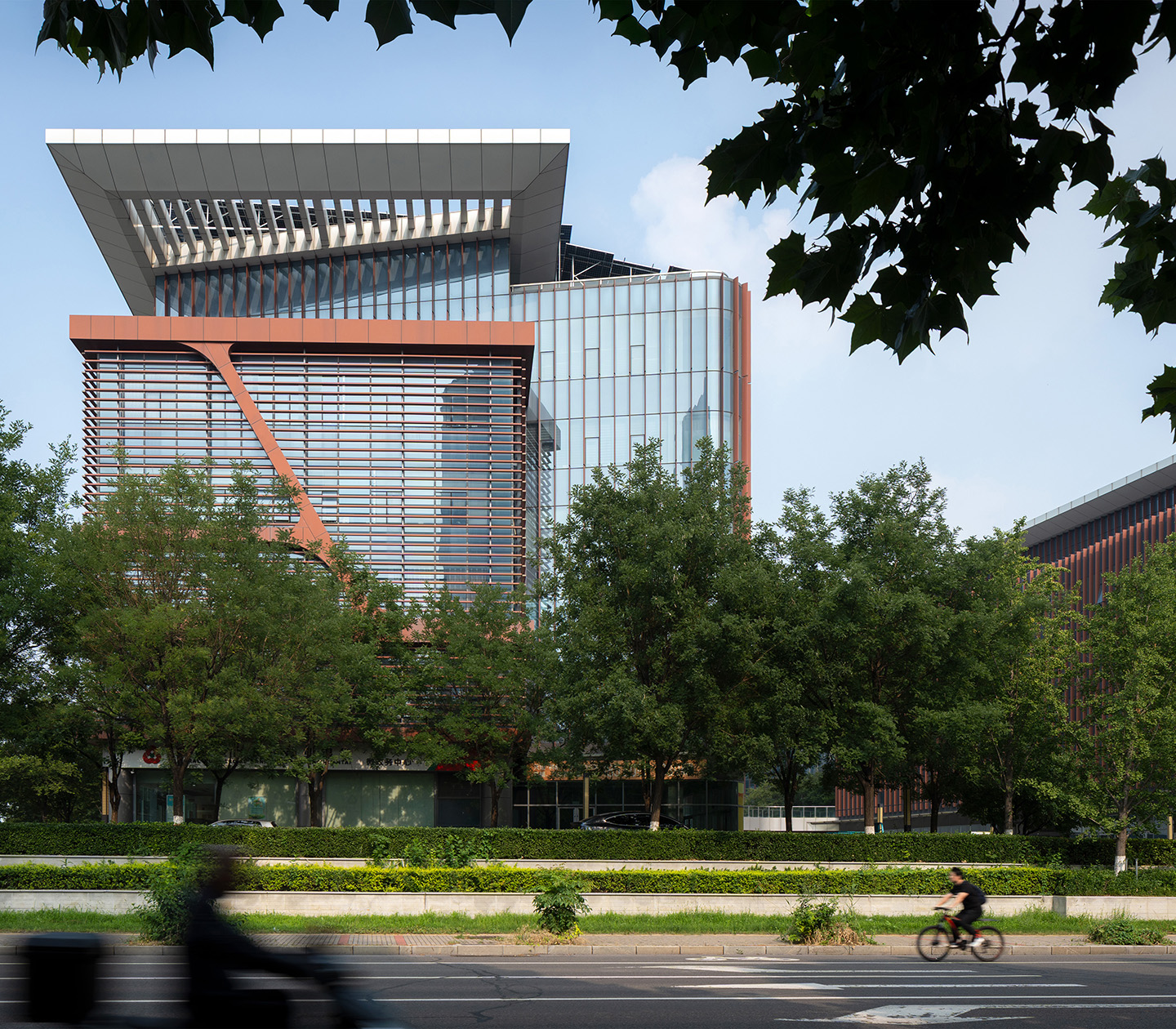
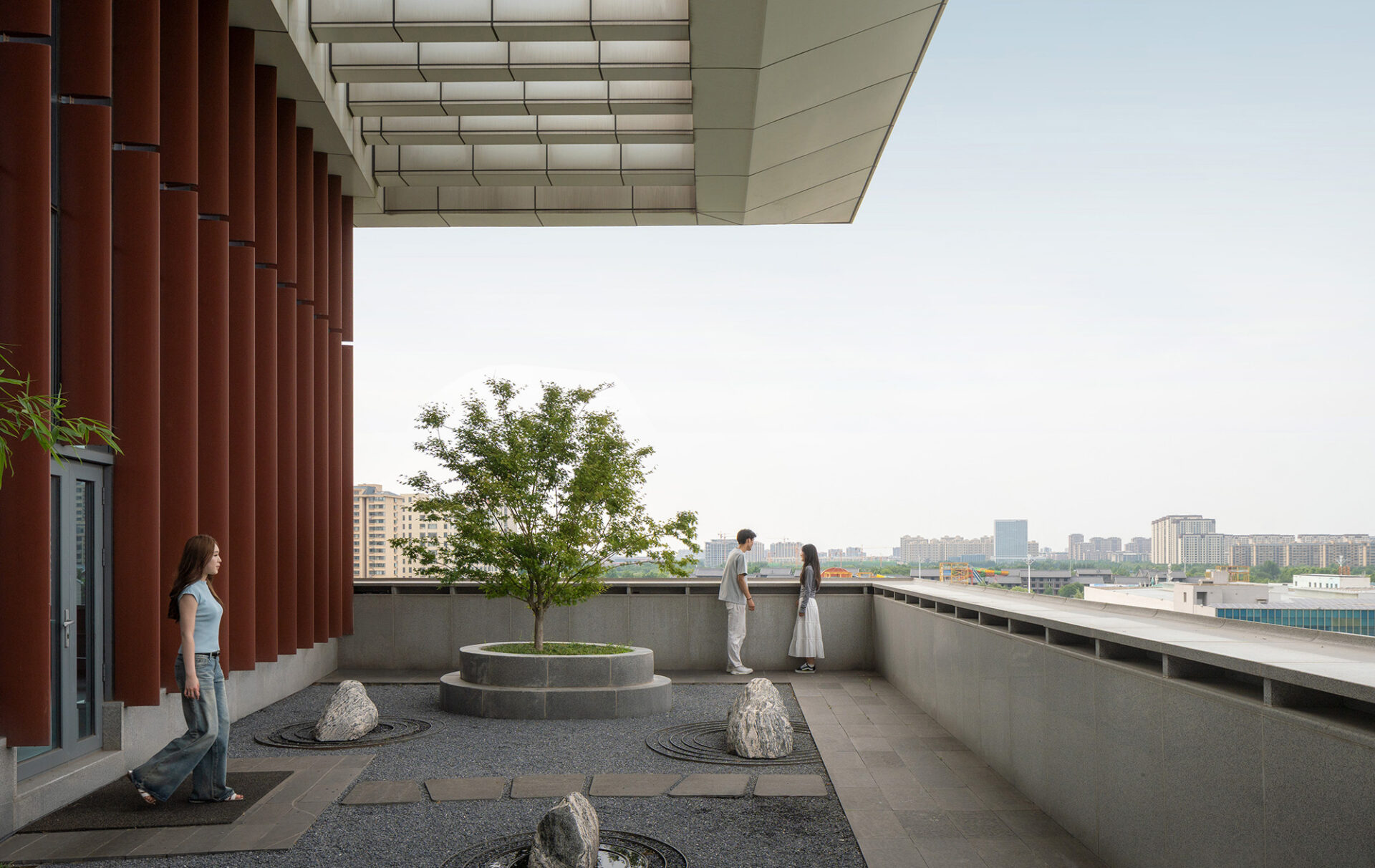
Two central towers echo the design of earlier phases, with terraces, greenery, louvers, and balconies creating a visual connection to the existing campus. Two lower buildings frame the eastern entrance and extend the shared “forest” space onto the rooftop.
A DISTINCTIVE NEW FORM
A circular tower and wellness garden add a new kind of amenity
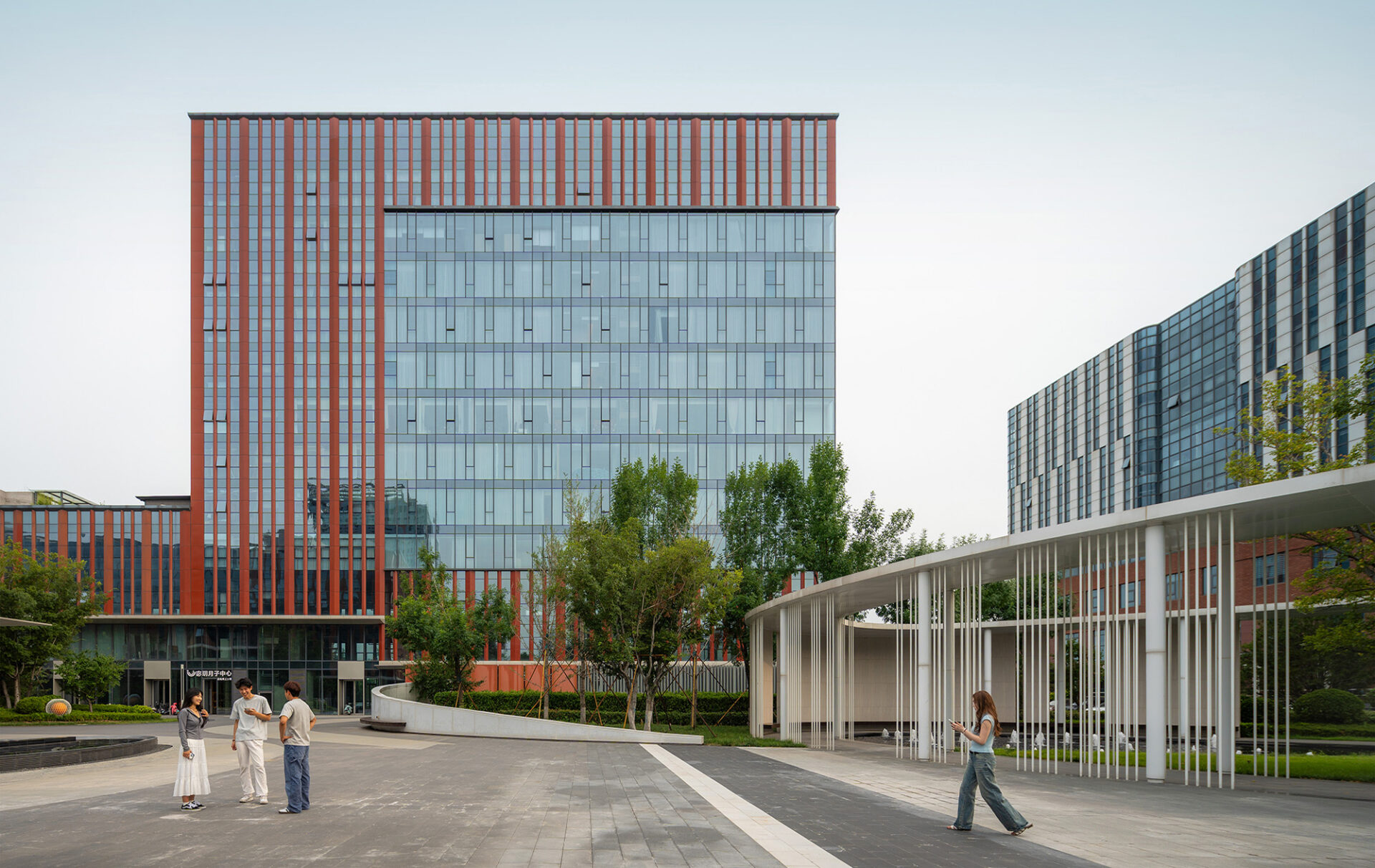
A lower, circular tower pairs with a wellness garden to give the district a place to slow down and decompress. A terracotta screen wraps the glass tower, echoing the material and design language used across the campus. At the same time, a private courtyard creates a more intimate space around the tower.
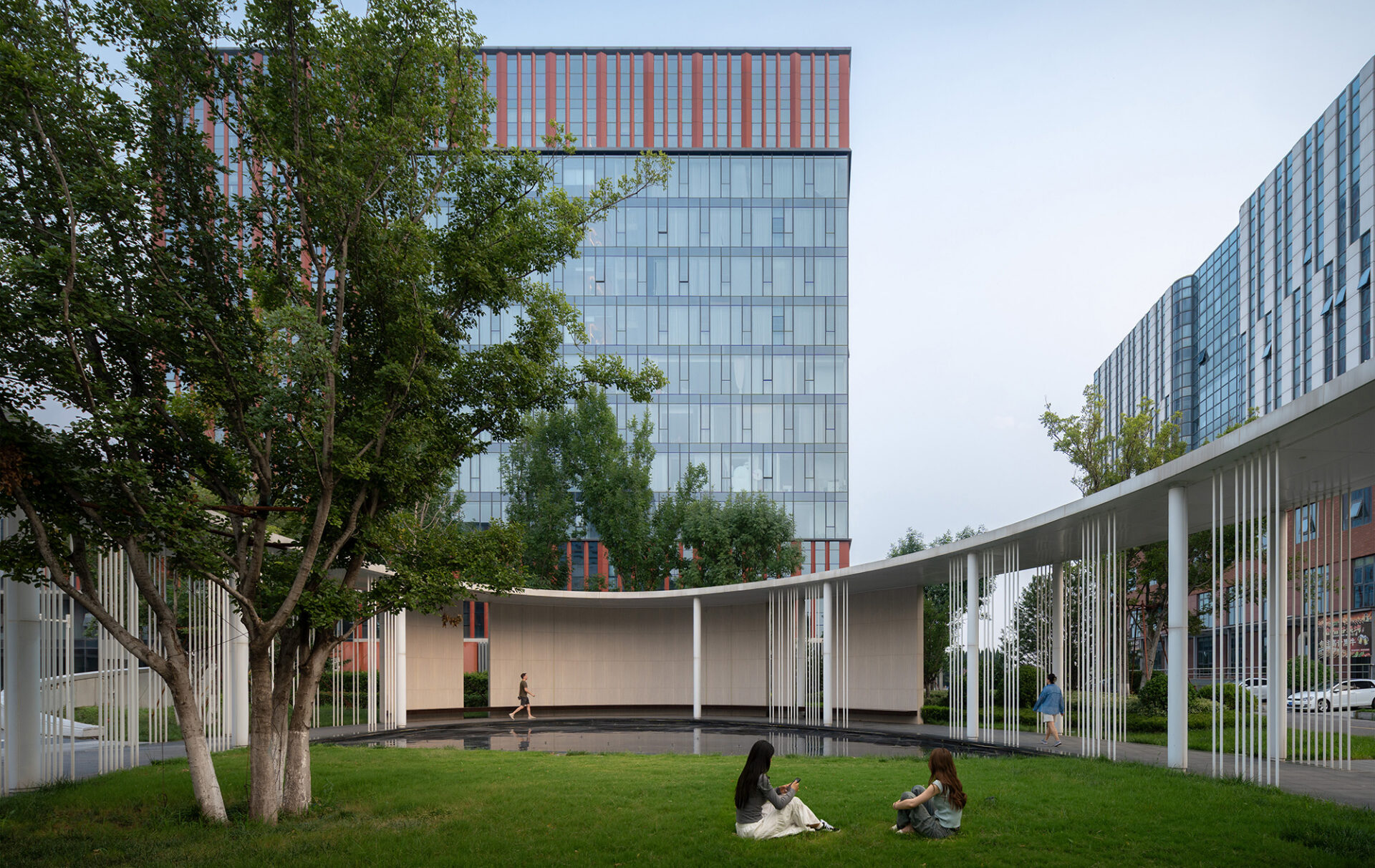
A FOREST AT THE CENTER
A shared landscape lets technology and nature coexist
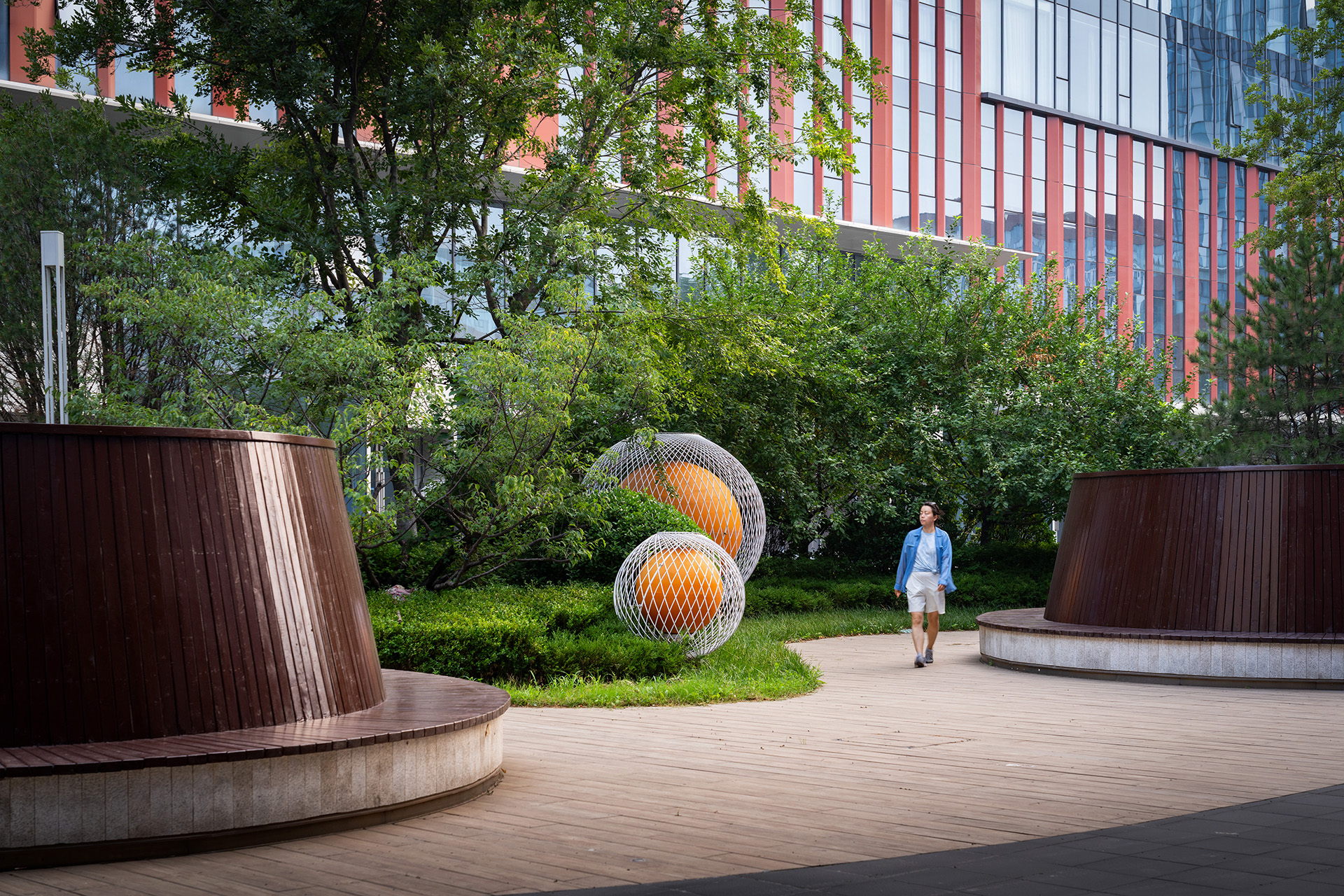
At the heart of the campus, an “untamed forest” creates a shared space for people to gather, collaborate, and step away from the pace of a high-tech district. As buildings approach the green space, their facades become more open and transparent, creating views into the landscape and giving the campus a more natural, connected feel. Nature is experienced from multiple levels and vantage points.
Results
Huantai Innovation Valley is now a finished district, with its final phase completed in 2026 and a campus that’s already part of daily life in Zibo.
The largest plaza in the city has become a gathering place for events and group exercise, from Tai Chi and chess tournaments to kite flying. Water, nature, and the ancient culture of the Qi region guided the design, and about 30 percent of the site is being rewilded. The campus also gives small, entrepreneurial tech companies a place to start, with micro suites and small suites available to lease. It’s part of China’s emerging Membrane Valley, a network of industrial and technology parks focused on fluorine and silicon materials, membranes, chemicals, and advanced materials. As a mixed-use campus, it stands as one of the most comprehensive in the region.