Walk into almost any store or open almost any app and you’ll see the same promise in different forms: this can be yours, but better. It can be yours in a way that feels personal. Customization and personalization have moved from novelty to expectation. What once felt special now feels essential.
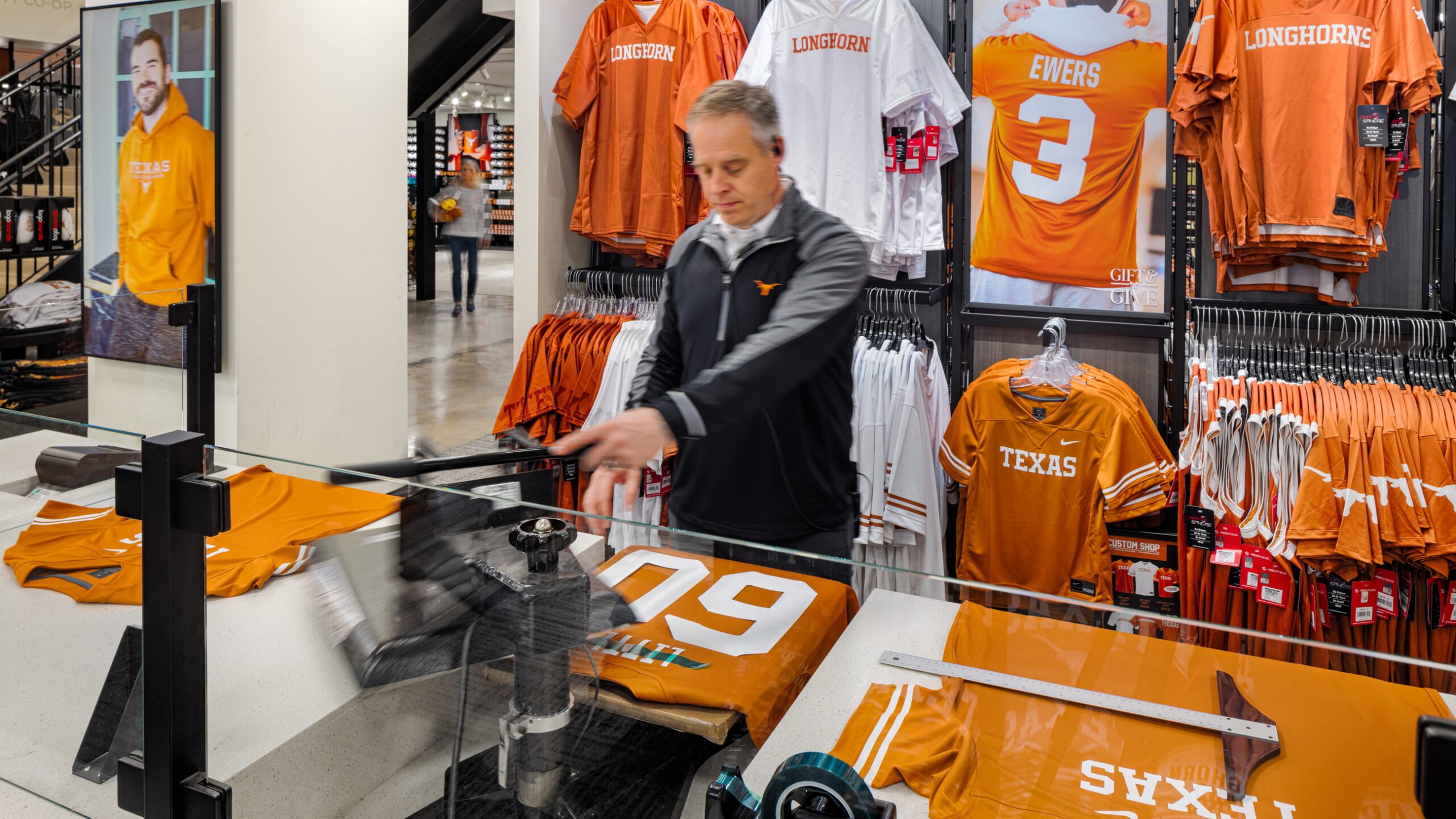
This trend isn’t limited to products. It shapes experiences, events, and even packaging. From classic brands like Brooks Brothers, Levi’s, NIKE, Puma, Nordstrom, and Shinola, to the shops of the NFL, MLB, and NBA, to financial and lifestyle brands like American Express, personalization signals care, attention, and belonging. It’s also central to one of our clients, the University Co-Op at the University of Texas at Austin, whose custom jersey station shows just how powerful personal choice can be.
So, how did we get here and how can brands continue to meet customers’ growing expectations for authorship, belonging, and individuality?
FROM MASS MARKET TO MY MARKET
The desire to personalize isn’t new, but culture had to catch up before it could scale.
In 2001, XFL (Yes, XFL) player Rod Smart became more famous for his jersey than his performance on the field. The league allowed the nameplate on Smart’s jersey to read “HE HATE ME,” and a cultural spark was lit. The moment created a PR and merchandising wave that broke the dam on the stuffy limits on customization. It highlighted fans’ desire to belong, but also their need to “gotta be me.”
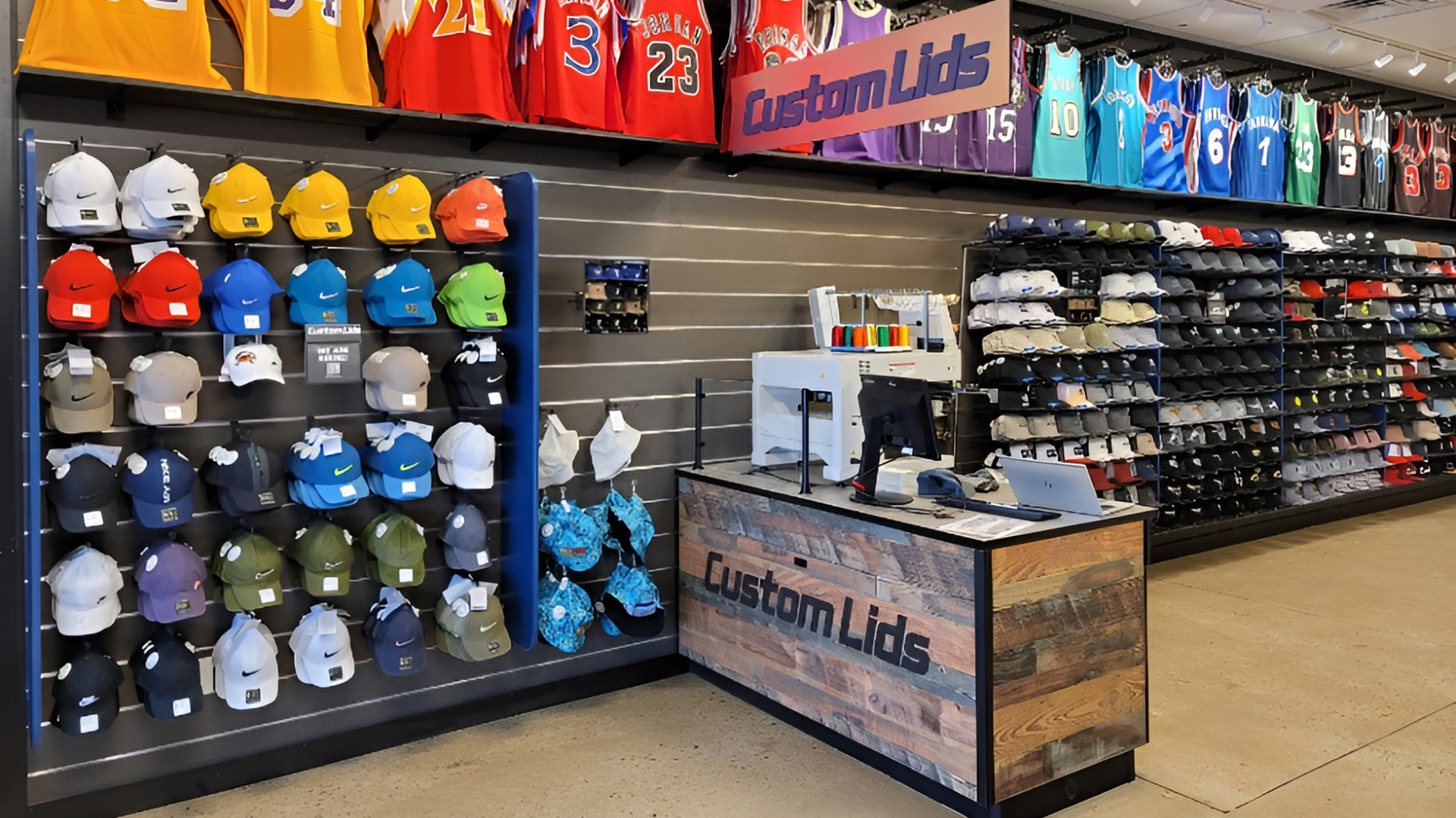
Around the same time, Lids was quietly proving that this impulse had real commercial power. Long before customization was common, Lids invested in the equipment, space, and training needed to personalize hats at scale. Before that, custom embroidery lived mostly in specialty “team shops,” like the one where my name was embroidered on my stunningly beautiful grape and gold, double-knit seventh-grade boys basketball team sweatsuit (circa 1979).
Fast forward a couple of decades, and Lids saw what others didn’t. One-off personalization wasn’t a distraction from retail; it was a reason to visit. When traditional team shops hesitated to take single-item orders, Lids stepped in and democratized the experience. Sure, they sold hats. But they also gave people a way to claim identity, allegiance, and individuality in the same transaction.
These early signals revealed a shift that still defines retail today. Customers want more than access to products. They want authorship and to see themselves in what they buy. To understand why this carries so much weight, we have to look at what actually drives people to buy in the first place.
THE PSYCHOLOGY BEHIND THE PURCHASE
We like to believe we make purchasing decisions logically. We compare features. We weigh price. We justify outcomes. But beneath all of that is a simpler truth: most buying starts with feeling, not facts.
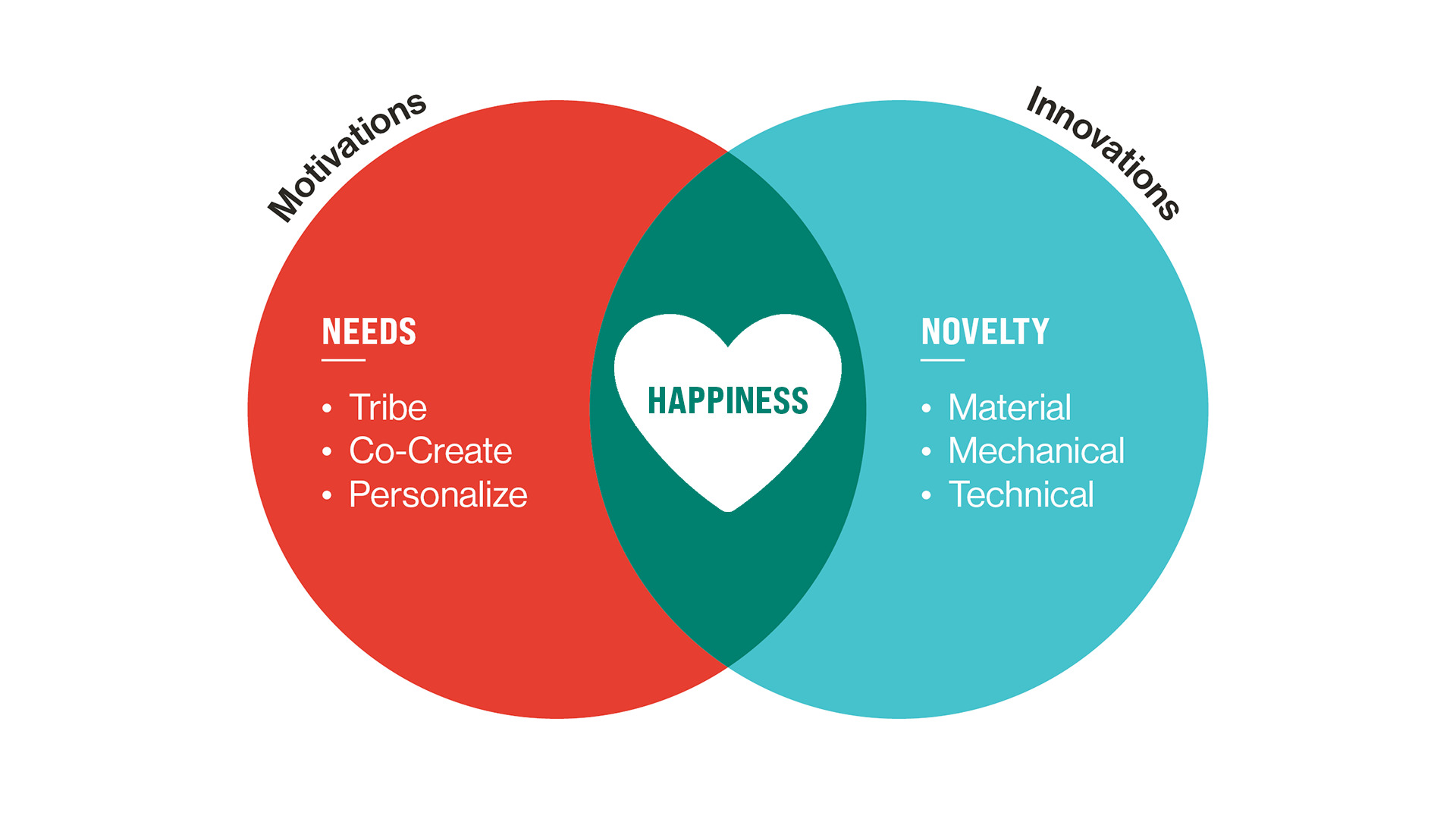
Behavioral science calls this hedonic consumption—the pursuit of pleasure through experience, sensation, and emotion. It sounds clinical. It isn’t. It’s the everyday desire to feel good, feel confident, feel connected, or feel rewarded. We buy things because we expect them to deliver some version of happiness, even if we never say it out loud.
Customization works because it multiplies those emotional payoffs.
A personalized item doesn’t just fit better. It feels better. It signals intention. It carries meaning. It tells a small story about who you are, what you like, or where you belong. And that story becomes part of the value.
There’s also a useful tension at play. People are constantly navigating two opposing desires: the desire to fit in and the desire to stand out. Some days you want to wear the band tee that signals your tribe. Other days you want the version no one else has. Customization lives comfortably in that middle space, letting consumers express individuality without leaving the safety of a shared brand.
The result is powerful. When a product reflects me, I’m not just satisfied … I’m invested. I’m more likely to keep it, talk about it, and come back for more.
This emotional engine is what fuels today’s most influential retail behaviors. And it shows up consistently through three converging forces: tribalism, co-creation, and personalization.
THREE FORCES SHAPING THE MAKE-IT-MINE ECONOMY
When you step back and look at how people engage with brands today, a pattern starts to emerge. They gravitate toward brands that feel like communities. They respond to experiences that invite participation. They value products and services that adapt to their preferences.
At first glance, these may seem like separate trends. In reality, they are three expressions of hedonic consumption. This is where tribalism, co-creation, and personalization converge:
- Tribalism delivers the pleasure of community or belonging.
- Co-creation delivers the satisfaction of authorship.
- Personalization delivers the reward of exercising choice to your taste within the framework of a community.
Together, they triangulate around hedonic consumption, reinforcing one another and amplifying emotional value. The more a brand activates all three, the more the experience shifts from transactional to personal.
This is why customization resonates so deeply. It doesn’t just change what people buy. It changes how buying feels.
Let’s start with belonging.
#1: TRIBALISM
Before people fall in love with a product, they fall in love with a feeling of belonging. Tribalism—the sense of being part of a group, a community, a “tribe”—delivers one of the strongest hedonic rewards: emotional connection. It’s the thrill of recognition, shared identity, and knowing you’re part of something bigger than yourself.
Brands have long tapped into this instinct. American Express creates communities through exclusive events and perks. Spotify turns personalized listening into shared cultural moments with Wrapped. Even niche fitness brands like Bandit Running offer Run Clubs where participants bond over a shared experience. In each case, the product itself is secondary to the joy of participating.
Tribalism doesn’t just make consumers feel good. It makes them loyal. When people feel part of a community, they are more likely to advocate, return, and invest … not just financially, but emotionally. Belonging motivates action, and action strengthens attachment.
It’s why sports fans line up for jerseys, not just to wear a logo, but to declare membership in a team’s culture. It’s why college students cherish custom campus gear. It signals affiliation while still leaving room for individuality.
#2: CO-CREATION
Belonging is the first buy. It’s the emotional gravity that pulls customers in. Once they feel like insiders, they’re ready to participate, co-create, and make something truly their own. Co-creation taps into that urge, letting consumers influence, shape, or even design the products and experiences they love. And when people help make something, they own the experience and the meaning behind it.
Brands have been experimenting with this for years. Nike By You lets customers design sneakers from the ground up. LEGO Ideas invites fans to submit and vote on new sets. Even in-store experiences, like build-your-own salad bars or custom hat stations, turn shopping into a creative act. The result? Engagement, loyalty, and delight that far outpaces passive purchasing.
Co-creation works because it delivers a potent hedonic reward: the satisfaction of authorship. People feel competent, empowered, and acknowledged. It’s fun, it’s personal, and it makes the product feel inseparable from the self.
Think back to your favorite collaboration or limited-edition release, like the crowd funded Veronica Mars movies or The Chosen series. The thrill isn’t just owning it, it’s knowing you had a hand in its creation, or at least chose its form in a way that feels authentic. Participation transforms consumption into a story you’re part of.
Co-creation answers the question: How can I leave a mark while still enjoying the belonging I just bought?
#3: PERSONALIZATION
After belonging and participation, the next layer of hedonic reward is personalization: the joy of exercising choice within a framework that feels meaningful. Personalization lets people make something theirs without losing the safety or structure of the brand or community they already trust.
A standout example is the University Co-Op in Austin, Texas. Their custom jersey station transforms a simple campus gear purchase into an experience students and alumni actively claim as their own. Shoppers can choose colors, numbers, and lettering, and see their selections brought to life on-site. The station turns ordinary merchandise into personal statements of identity, school pride, and belonging.
The result is a moment of emotional reward. Customers leave with a product and a story. The ability to personalize gives them a sense of ownership and visibility, making the purchase feel uniquely theirs. This is exactly the kind of hedonic satisfaction brands strive to deliver: a mix of fun, pride, and self-expression.
Unlike co-creation, which invites participation in creation, personalization gives the consumer control over the outcome. Every choice reinforces identity while staying connected to the broader community—their “tribe.” The Co-Op’s approach shows how a clear, well-executed personalization experience can elevate both the product and the brand, turning a transaction into a memory.
Combined with tribalism and co-creation, personalization completes the triangle of value: belonging, authorship, and choice, all reinforcing one another to make the retail experience emotionally rich and deeply satisfying.
TURNING PHILOSOPHY INTO EXPERIENCE
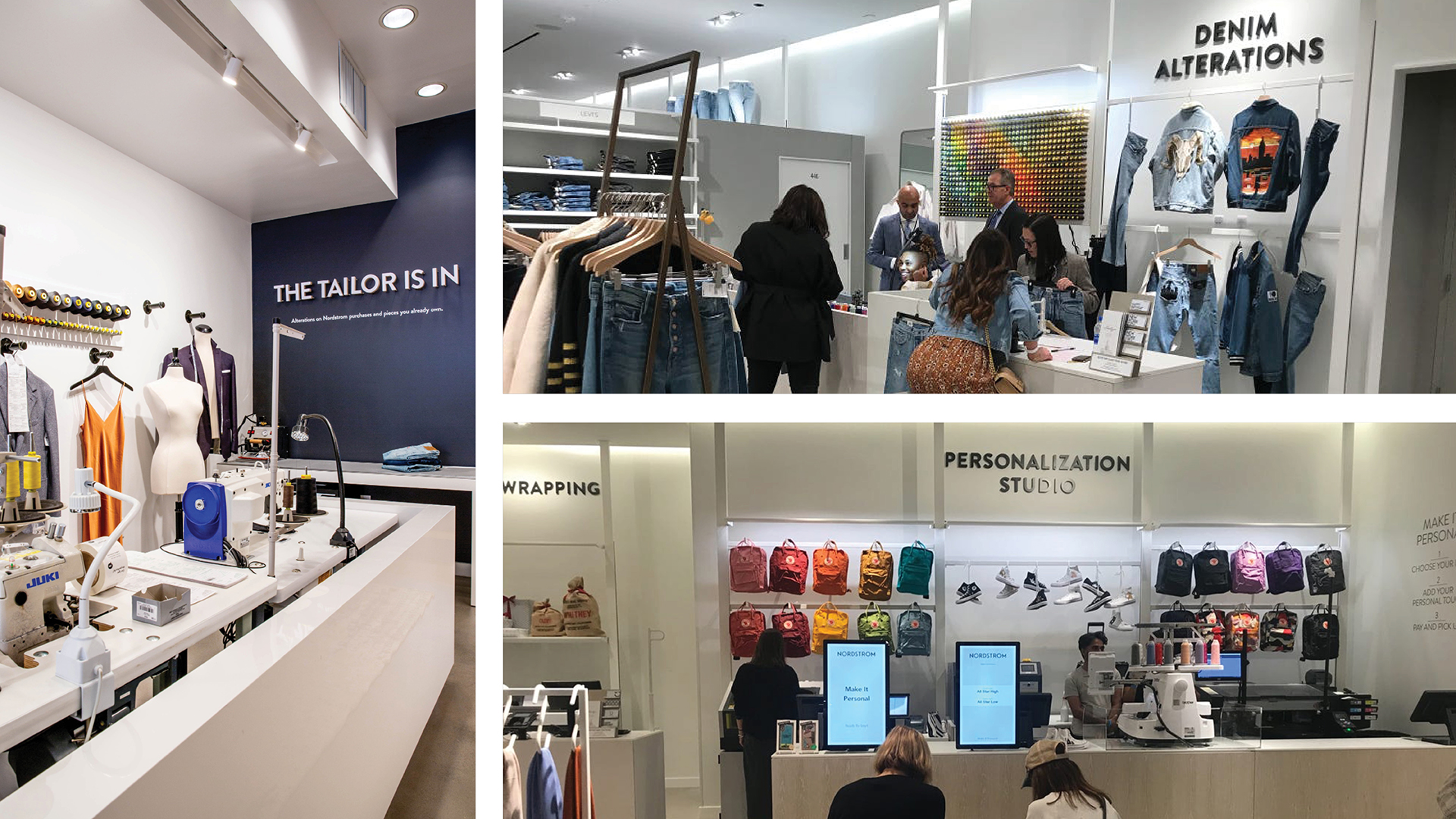
The philosophy of “Make It Mine” comes to life in every moment people interact with brands—from products to stores to packaging—expressing one idea: “this was made for you.” Across categories, brands are finding ways to make their offerings feel personal and participatory:
- Product: Built to be customized
Let customers build products that reflect their taste and identity. Modular designs, limited editions, or customizable components give people choices that make the product theirs. - Store: The experience becomes the workshop
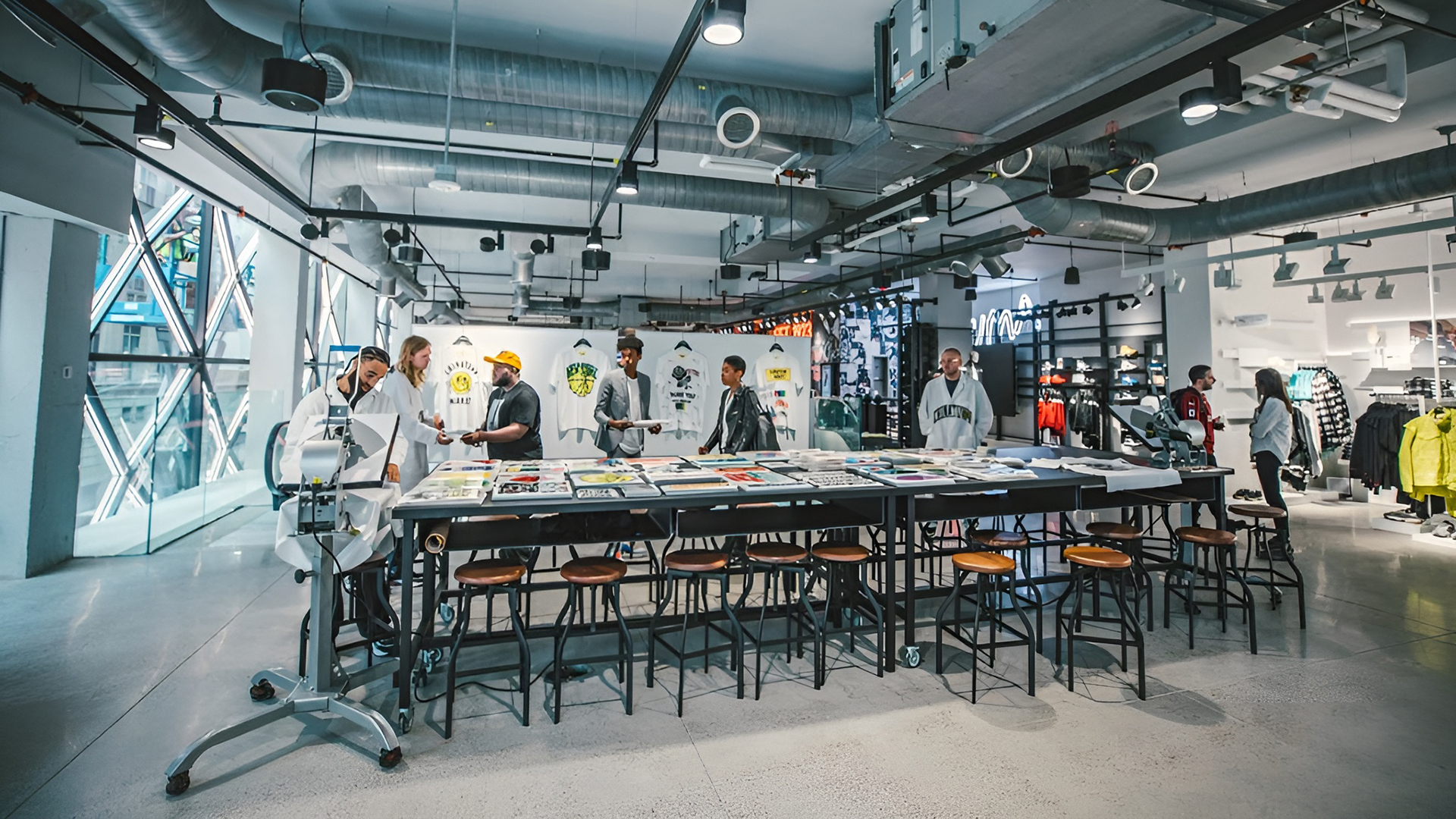
Turn shopping into an interactive workshop of discovery and creation. Demonstration zones, build-your-own stations, and in-store specialists make the act of shopping itself rewarding. - Packaging: The new front counter
Deliver delight through thoughtful, personalized touches. Stickers, collectible boxes, or hand-written notes turn receipt into a memorable moment of joy.
Even small gestures matter. When products, stores, and packaging make customers feel seen, involved, and rewarded, ordinary transactions become emotionally rich experiences. Every interaction builds attachment, reinforces identity, and strengthens loyalty. Make It Mine works when belonging, authorship, and personal choice show up at every stage of the journey.
THE ECONOMICS OF DELIGHT
Yes, “Make It Mine” creates moments of joy. It’s also good business. When brands deliver belonging, authorship, and choice, they increase not only satisfaction but also loyalty, advocacy, and perceived value.
Hedonic reward drives repeat behavior and repeat behavior drives growth. People will pay more, return more often, and tell their friends about experiences that make them feel personally seen and involved. Customization, co-creation, and personalization are strategic investments in emotional connection that directly influence the bottom line.
Across industries, the results are clear:
- Higher engagement
Customers who co-create or personalize are more likely to spend time with the brand and explore additional offerings. - Increased loyalty
Feeling part of a tribe or having a product that reflects the consumer’s identity deepens attachment. - Premium perception
Personalization and thoughtful packaging elevate perceived value, allowing brands to differentiate even in crowded markets.
The lesson is simple: delight drives habit. Brands that master this cycle make sales, while also cultivating communities, experiences, and loyalty that compound over time.
GETTING THE CUSTOM EXPERIENCE RIGHT
The most successful “Make It Mine” experiences share a common trait: they feel easy, rewarding, and reliable. Customers should leave feeling empowered, not overwhelmed.
Three principles guide success:
- Make it a destination
Create a space (physical or digital) that announces its purpose. Customers should immediately understand that this is where they can explore, choose, and create. A clear, inviting destination signals that personalization is not just allowed, but celebrated. - Make it active
Encourage interaction. Demonstrations, samples, or guided choice help customers engage with the product and the process. Active participation deepens the emotional reward of authorship while reducing uncertainty. - Make it immediate
Deliver gratification as quickly as possible. Visible inventory, on-demand fulfillment, or instant previews ensure that the pleasure of personalization is realized without delay. Immediate feedback reinforces the feeling that the product is truly theirs.
Across all three principles, the experience should be simple but meaningful. Offer a curated set of choices that balance freedom with guidance. You want enough to feel creative, but not so much that decision fatigue undermines delight.
When done right, customization becomes habitual. Customers return not just because they need something, but because the act of choosing, creating, and claiming a product is rewarding in itself. The result is a cycle of engagement, loyalty, and emotional connection that keeps the brand relevant and valued.
The Promise of Make It Mine
At its best, “Make It Mine” is a promise to the customer that they belong, that they have a voice, and that their choices matter. It signals that the brand sees them, values them, and invites them to participate in something bigger than a transaction.
Across products, stores, and packaging, brands that honor this promise transform ordinary purchases into emotionally rich experiences. Tribalism provides belonging, co-creation delivers authorship, and personalization offers the reward of choice. Together, these forces tap into hedonic consumption, turning engagement into delight, and delight into loyalty.
For brands, this is a tremendous competitive advantage. When people feel seen, involved, and rewarded, they return, advocate, and invest in ways that drive both emotional and financial value.
“Make It Mine” is a commitment to put people at the center of the experience, to give them control, connection, and joy. Brands that keep that promise earn transactions and a place in people’s identities. That is the ultimate measure of lasting value.