I have been speaking to global audiences about retail innovation for over 15 years, beginning with my first major presentation at GlobalShop in Las Vegas. Back then, I shared how small, incremental changes in the following areas can make a big impact on the customer experience: humanization, personalization, localization, minimization, and digitization.
Since then, retail has raced toward efficiency: faster, seamless, and increasingly digital. And for a time, that worked. But somewhere along the way, something was lost.
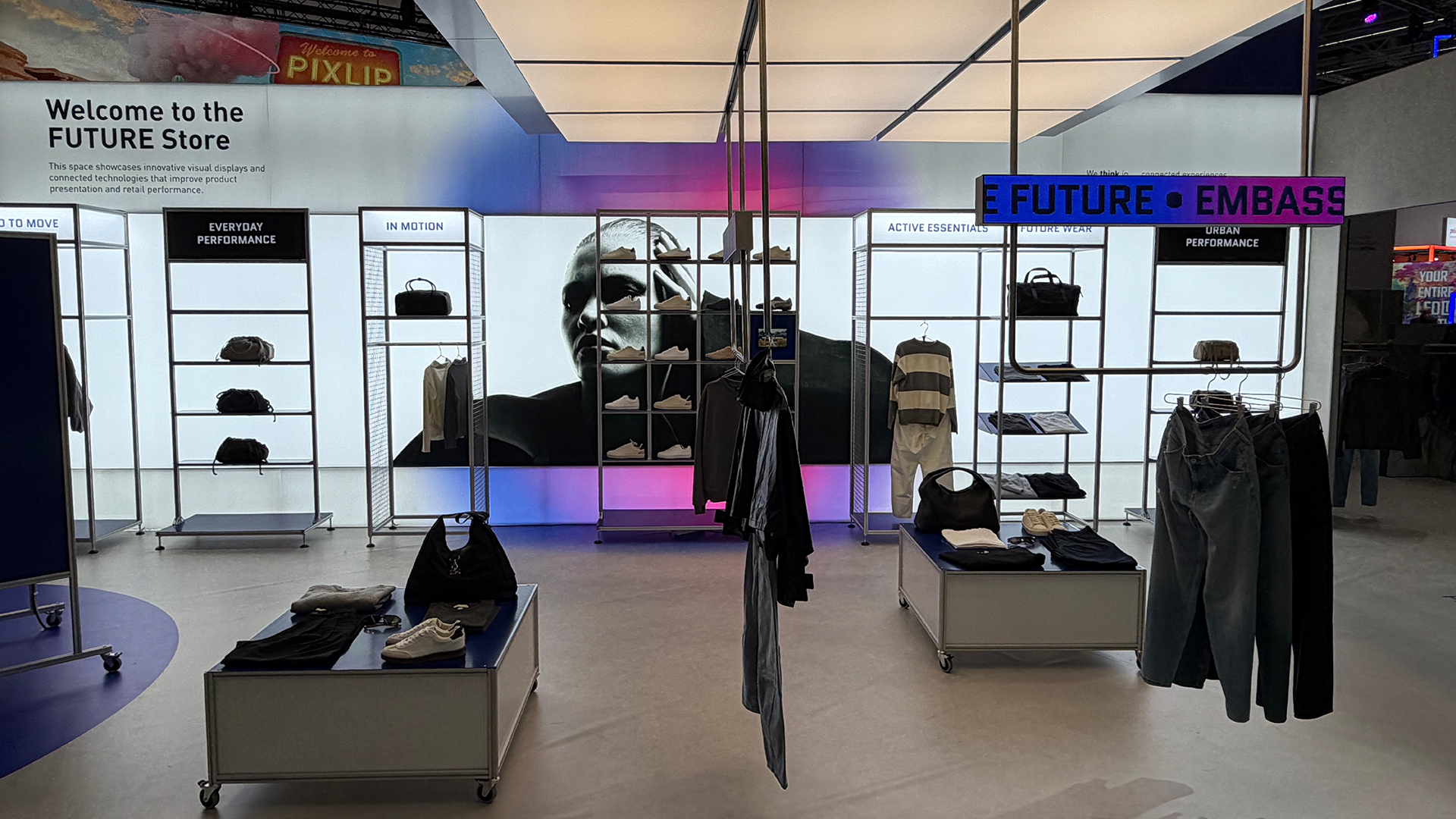
Walking the halls of EuroShop 2026 in Düsseldorf, Germany, a few weeks ago, surrounded by 1,800+ exhibitors and tens of thousands of industry leaders, it became clear that the conversation is shifting again, returning to familiar territory. Technology alone cannot carry the retail experience. Consumers are placing renewed value on physical space, not just as a point of transaction, but as a place for discovery and connection.
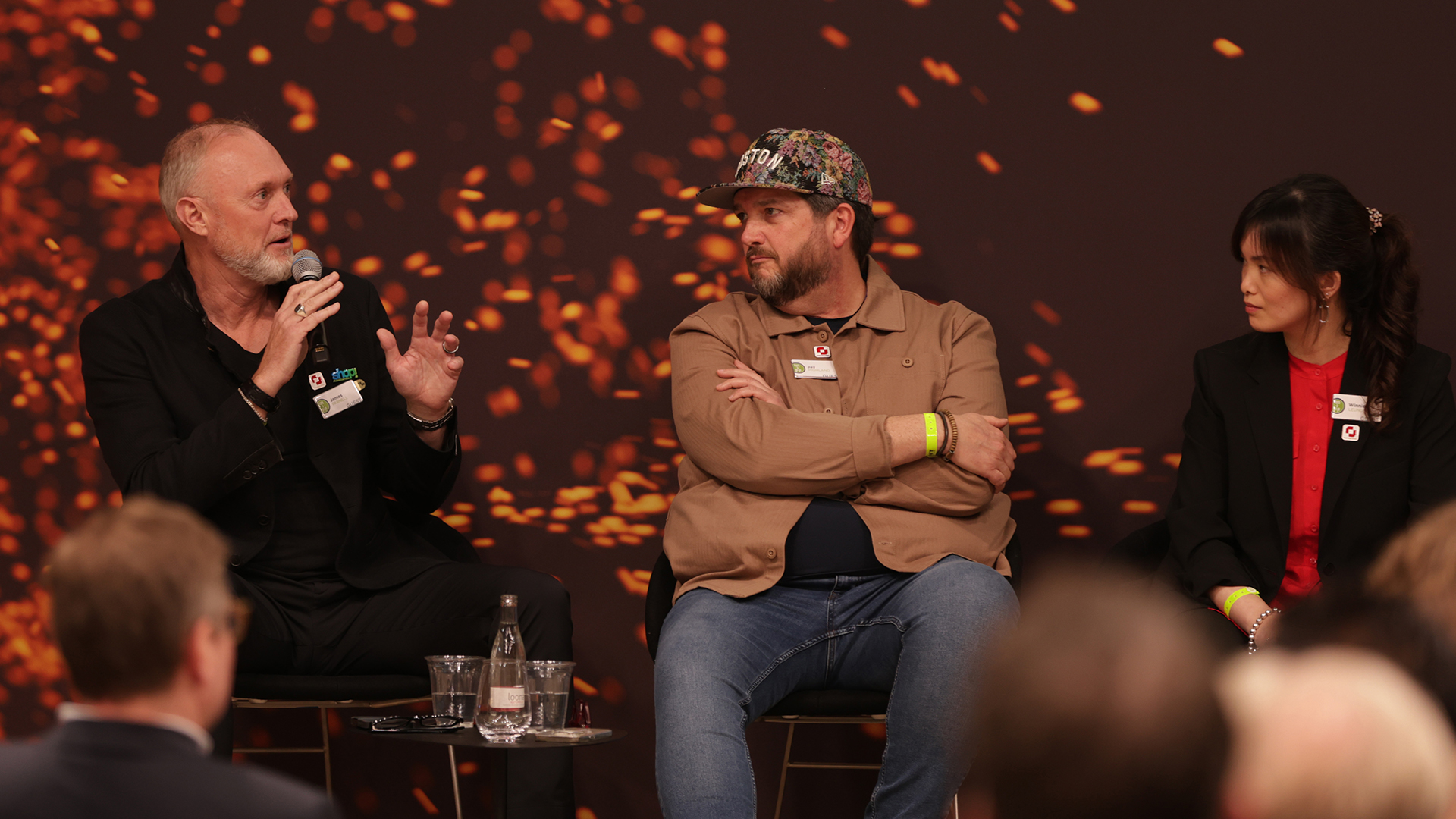
During EuroShop, I participated in a panel exploring the trends, challenges, and opportunities for North American retail. The discussion explored everything from AI to store formats and raised the question: what has changed since the last EuroShop three years ago? Looking back over 15 years, the pace of change continues to accelerate, driven by technology, evolving tastes, and shifting consumer behaviors. But the fundamentals remain. How we connect on a human level, personalize experiences for increasingly targeted audiences, curate products for local neighborhoods, and use technology to bring customers closer to the brands they love are the principles that continue to define meaningful retail.
THE DIGITAL BALANCE ECONOMY
Over the past decade, retail has continued in its relentless pursuit of efficiency and convenience. Self-checkouts, endless aisles, and same-day delivery, all removing friction and accelerating the path to purchase. In doing so, retail has become more uniform and, in many cases, less memorable.
Now, a new dynamic is emerging: a digital balance economy. Consumers are no longer choosing between online and offline. They are seeking a healthier equilibrium. Digital tools remain essential, but they are no longer the destination. They are the connective tissue that supports discovery, enables personalization, and extends the experience beyond the store.
Cultural forces are driving this shift as much as technology. People are recognizing the limits of a life lived primarily through screens and are seeking experiences that reconnect them with physical environments and other people. The store is no longer just a channel within a broader retail ecosystem. It is a place where that ecosystem comes to life. Products can be explored, stories can be told, and relationships can be built in real time.
Physical retail is not in decline; it is evolving from a model built on efficiency to one centered on engagement, emotion, and human connection. I recently heard Steve Tatham (formerly of Universal Studios) refer to this as a shift from ”immersion” to “connection” or, more explicitly, an experience economy focused on consumption to a belonging economy. We need to be actively bridging customers’ online desire with real-life community interaction through passion and purpose. To create a “convergence zone” as we move the store from a third space (a place to be) to a fourth space (a place to become). If the third space was about connection, the fourth space provides connection, plus culture, creativity and purpose.
INTEGRATING POSITIVE FRICTION
Stores must go beyond convenience and create experiences that invite exploration, interaction, and personal connection. Brands are responding with environments that appeal to the senses, encourage play, and celebrate craft, giving customers the chance to slow down and engage on their own terms.
This is the essence of positive friction: intentional moments of pause, surprise, or interaction that foster connection and make the experience memorable. For a generation raised online, authenticity and hands-on engagement are expected.
If digital makes shopping easier, physical retail must make it worth the visit. Every pause and interaction should reinforce the brand story and deepen customer relationships.
Creating meaningful experiences is only part of the story; stores must also be flexible platforms that evolve alongside customer expectations and brand strategies.
SIGNALS OF WHAT’S NEXT: VISIONARY BOOTHS FROM EUROSHOP
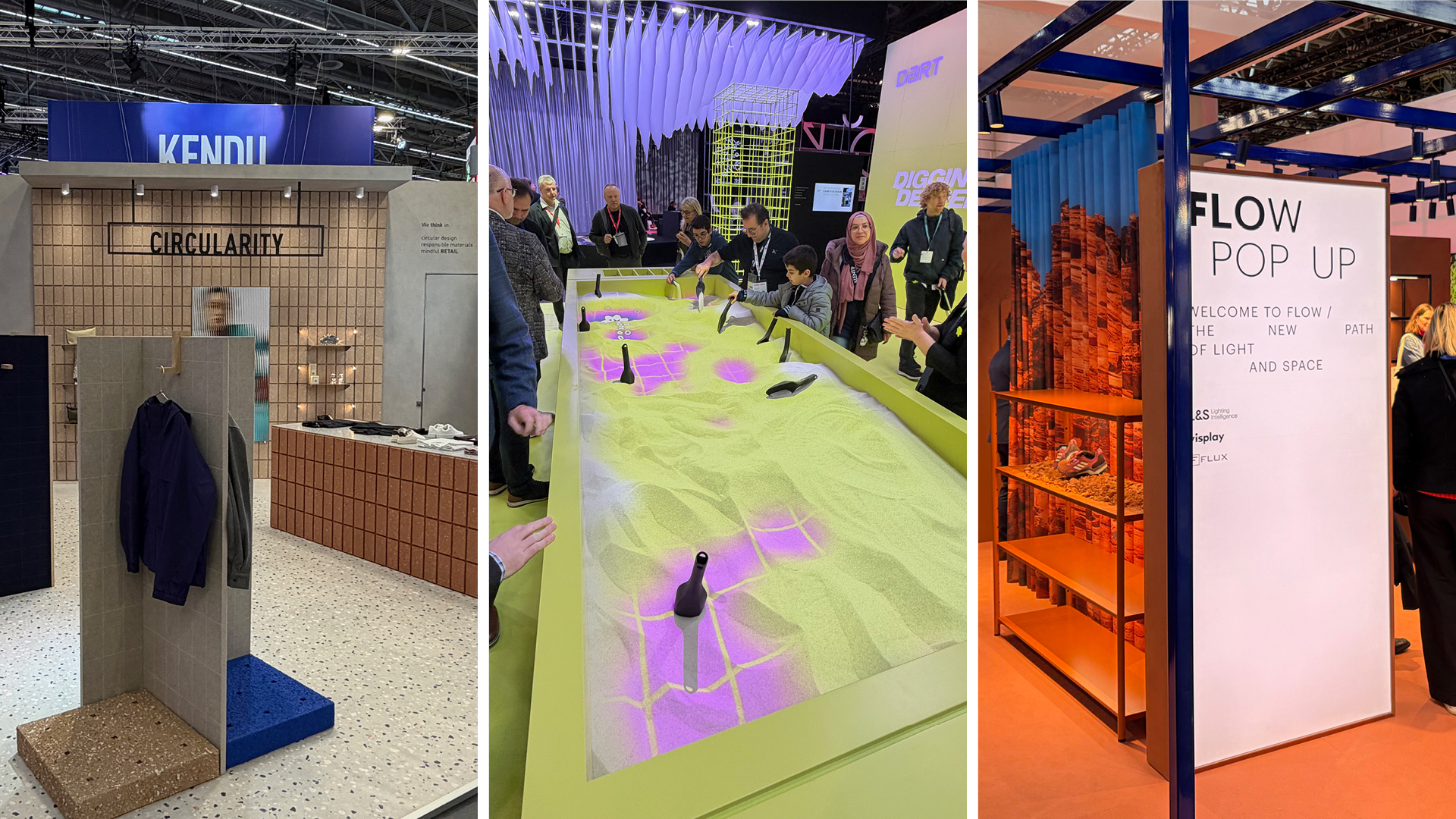
The physical store has evolved from a fixed environment into a platform that adapts to the needs of both brands and customers. Changing consumer behaviors and lifestyles are driving new approaches to store design, size, and function. Retailers are resizing or relocating stores, converting some into experiential hubs or partial fulfillment centers, and embracing pop-ups and modular systems as permanent tools. At EuroShop, the most compelling booths were prototyping a glimpse of the future.
- Kendu offered a quiet but powerful vision of circularity in action, showcasing sustainably engineered products created from recycled fashion‑industry waste. Close by, &Go amplified this message through contrast: a vivid, almost confrontational red experience hub that reframed sustainability as something bold, emotive, and experiential rather than subdued. Together, they suggested a future where green design commands attention.
- Dart translated the abstract idea of joy into physical participation. Their digitally projected sand‑pit invited visitors to “dig deeper,” blurring the boundary between play, learning, and brand engagement. Encased within a striking structure of colorful wire mesh, the space reminded us that emotional connection—not information—is becoming the strongest currency in retail environments.
- The Flow Pop‑Up by Visplay, L&S, and Flux Lighting embodied the intelligence of collaboration. Their modular, highly adaptive lighting and display system felt less like a product and more like an evolving language, one that empowers brands to reconfigure space fluidly in response to changing needs. It was a clear signal that flexibility and self‑expression will define the next generation of physical retail.
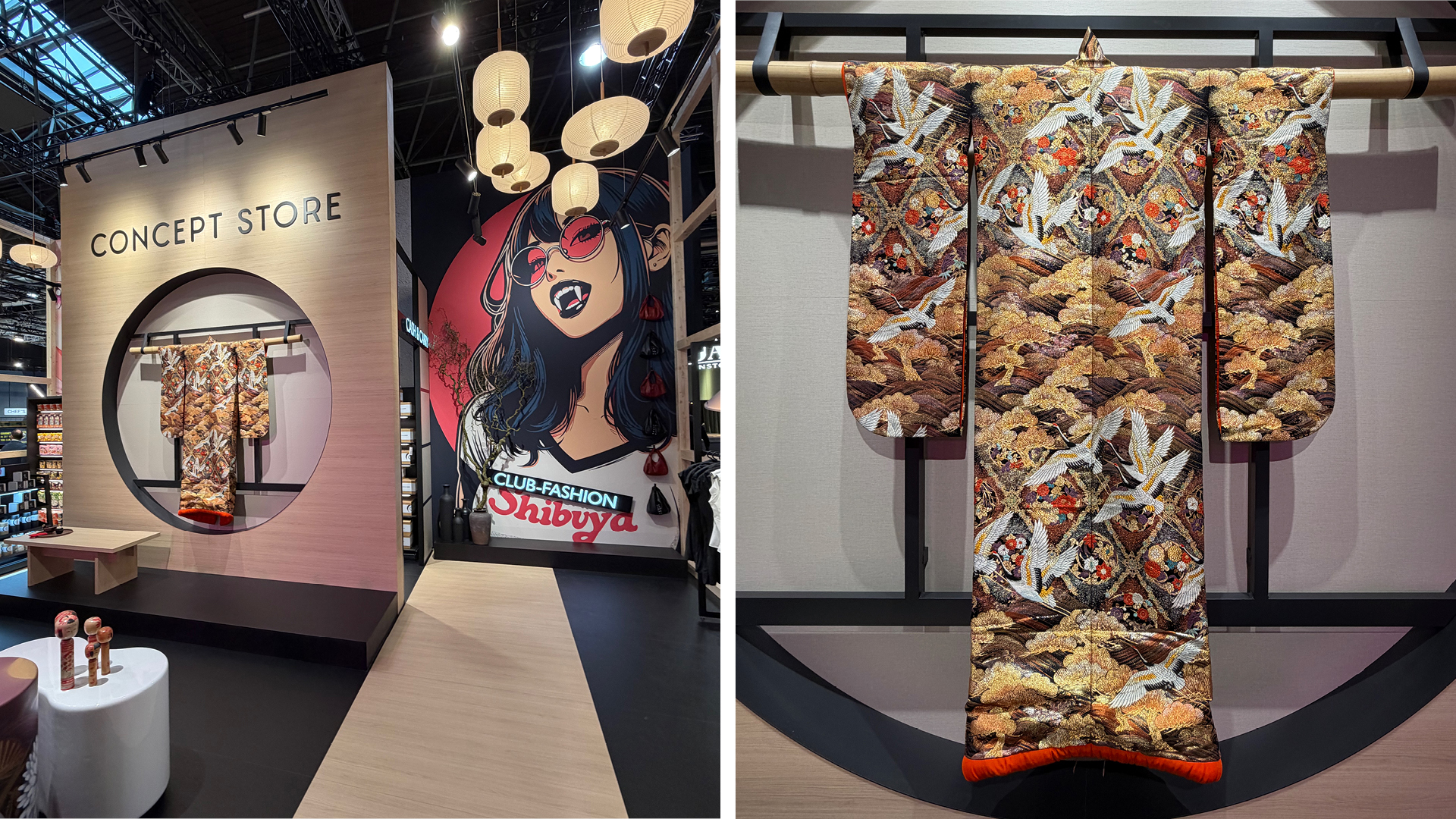
- Wanzl took a more cultural and contemplative approach, immersing visitors in a Japanese Concept Store rooted in heritage and storytelling. At its heart sat a rare vintage oriental wedding gown, sourced exclusively for the show—transforming the booth into a moment of reverence. In an age of speed and scale, Wanzl reminded us that meaning, provenance, and craftsmanship still hold immense power.
- Finally, PPM quite literally aimed higher. Their lunar‑themed booth framed creativity as exploration, risk, and belief in the unknown. By setting their pitch in space, they positioned themselves as navigators for brands willing to leave the familiar behind—suggesting that the future belongs to those prepared to think beyond gravity.
These approaches allow retailers to adjust layouts, host local collaborations, and refresh product lines without costly renovations. Physical spaces become living, flexible canvases for storytelling and community connection, making every visit more than a transaction.
TECHNOLOGY’S SUPPORTING ROLE
Technology is no longer the star of the store experience. In North America, retailers are using it to enhance human connection rather than distract with flashy gadgets or gimmicks.
The most effective applications prioritize people first. AI-assisted product visualization, interactive displays, and personalized recommendations complement the human experience rather than compete for attention. Foot Locker reportedly has ambitions to use technology not just for product visualization but showing how products will perform for them as athletes. What if your Strava account was connected to the brands you use, helping to select products for you based on your training goals?
Technology also connects online and offline touchpoints, informs layout and assortment decisions, and enables dynamic responses to customer behavior. When designed around people, technology enhances exploration, fosters meaningful interactions, and extends the story beyond the store.
GEN Z EXPECTATIONS
No conversation about the future of retail is complete without considering Gen Z. Raised in a fully digital world, they are reassessing their relationship with screens and seeking real-world experiences that feel authentic, hands-on, and socially engaging.
They value participation, creativity, and discovery, responding positively to stores that translate popular online communities into real-world environments. Concepts such as slow retail and heritage craft resonate as Gen Z seeks meaningful interactions that balance digital convenience with physical engagement.
Stores that embrace this shift offer more than products. They provide community, opportunities to co-create, and personalization. This is the “Make it Mine Economy,” where tribalism, co-creation, and personalization intersect to build loyalty and emotional connection. Digital tools and flexible formats support these experiences without taking over, keeping the store a place to explore, experiment, and engage in ways that online shopping cannot match.
WHAT THIS MEANS FOR RETAIL LEADERS
For executives planning the next generation of North American retail, the implications are clear:
- Reimagine the store as an adaptive platform. Flexible layouts, modular systems, and pop-ups allow retailers to respond quickly to changing consumer needs and showcase evolving brand stories.
- Design with people first. Prioritize human engagement over frictionless efficiency. Experiences should spark curiosity, joy, and lasting emotional connection.
- Use technology strategically. AI, interactive displays, and personalization tools should enhance exploration and interaction, not distract from it.
- Understand emerging audiences. Gen Z and beyond value authenticity, hands-on experiences, and opportunities to co-create. Retailers who meet these expectations build loyalty that extends far beyond the sale.
- Measure impact beyond sales. Engagement, dwell time, and repeat visits provide deeper insight into the ROI of human-centered design and drive on-going relationships and sales at the store and beyond.
Retailers who embrace this approach transform stores from static showrooms into dynamic, purpose-driven spaces. Physical locations become competitive advantages rather than costs, offering customers a place to discover, connect, and belong.
DESIGNING RETAIL FOR MEANING
The future of North American retail is not defined by speed or frictionless transactions. It is defined by how engaging, meaningful, and human the experience feels.
Stores that embrace flexibility, technology, and human-first design become platforms for experimentation and connection. Brands that understand this opportunity will meet evolving expectations while simultaneously creating experiences that customers remember and return to.
In this new paradigm, the most successful retailers will be those who design with people at the center. Physical retail can reclaim its role as a competitive advantage, transforming spaces from transactional venues into places where customers feel like they truly belong.